

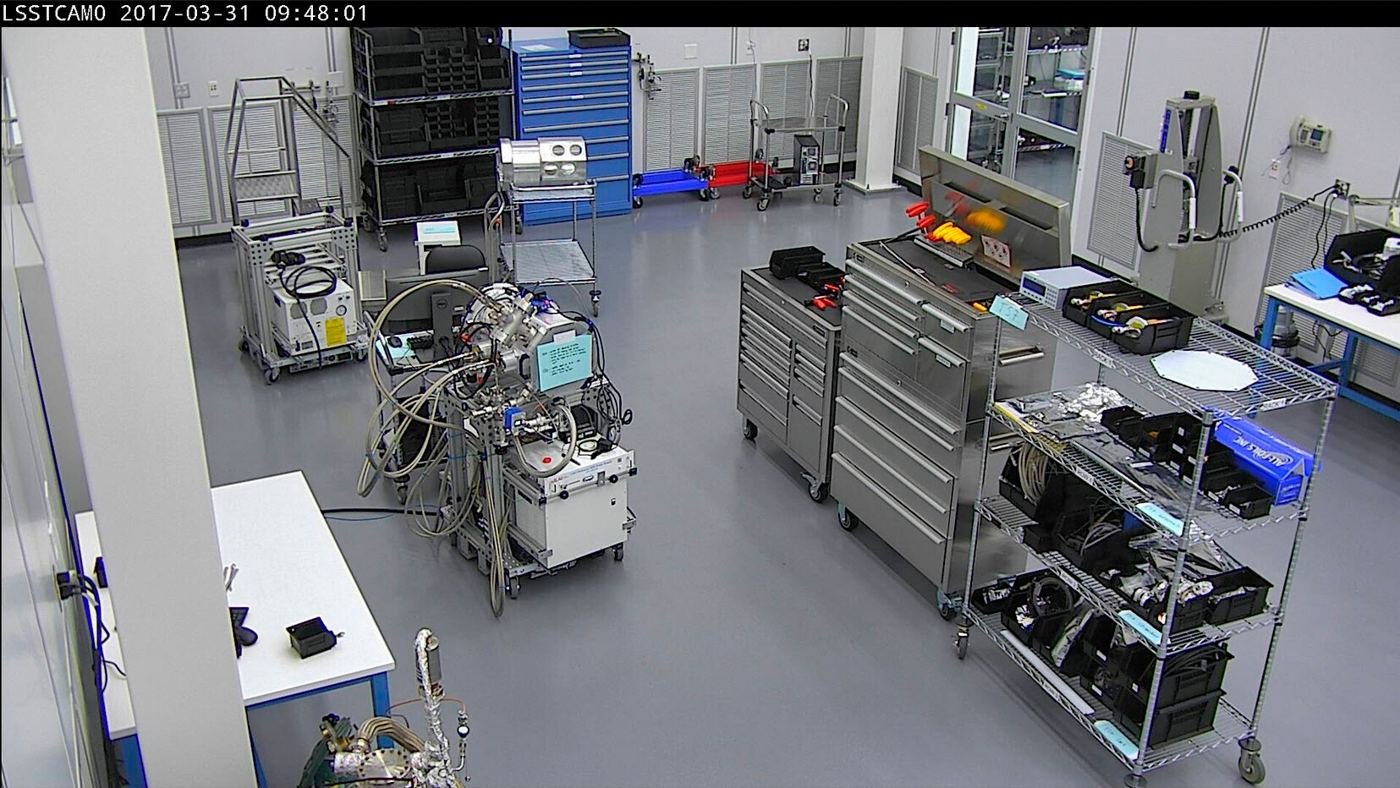
Semiconductor factories use enormous volumes of ultrapure water, and engineers are now recycling far more of it inside the plant. Washing silicon wafers requires water cleaner than almost any other industrial process, and producing it is energy intensive. New treatment systems separate rinse water by contamination level, polish the cleanest streams and return them to production instead of discarding everything. Fab operators say recovery rates have climbed steadily as sensors improved. The change matters in water-stressed regions hosting new chip plants, where local communities have asked how factories will share limited supplies during droughts and periods of peak demand.
What the Evidence Shows
Recycling inside a fab is technically demanding because trace metals or particles that are harmless elsewhere can ruin a batch of chips. Engineers therefore test recovered water continuously and divert any stream that drifts outside strict limits. The economics are improving as discharge fees and supply risks rise, making reuse cheaper than it once appeared. Some operators now publish water recovery figures alongside energy data in sustainability reports. Specialists say the next gains will come from redesigning processes to use less water in the first place, rather than treating ever larger volumes after use in production. Reporting and analysis from sources such as Wired track the same developments, and specialists following chip factory water recycling say the direction is now consistent across independent lines of evidence.
The Wider Context
The wider context is an industry learning to ship capability and restraint together. Products built around chip factory water recycling now launch with safety evaluations, usage data and rollback plans as standard, because enterprise buyers and regulators ask for them in the first meeting. Companies that treated those questions as friction are discovering they have become the purchase criteria.
What Happens Next
What happens next for chip factory water recycling depends less on another breakthrough than on the unglamorous work of reliability, pricing and support. The buyers evaluating it now are not enthusiasts; they are operators with budgets and auditors, and their checklists will decide the timeline. On the evidence of the current pilots, the technology has earned the right to be judged by them. You can follow related developments in our coverage of technology.
None of this will be settled by a single announcement, study or product launch. The pattern to watch is accumulation: independent confirmations, honest reporting of failures and steady improvement in the underlying numbers. Readers who follow those signals, rather than the loudest claim of the week, will understand this subject better than most of the commentary surrounding it suggests is possible.
There is a practical lesson in all of this for readers deciding what to do today. Start with the verified facts, be wary of anyone promising certainty, and prefer reversible steps while the evidence is still developing. Circumstances differ by country, income and personal situation, so general guidance should always be weighed against your own context before you act on it in any significant or lasting way.
