
What's Hot

    Solar Orbiter Gives Humanity Its First Glimpse of the Sun’s Poles

    November 20, 2026

    Pig Kidneys Are Bridging Patients to Human Transplants

    November 20, 2026

    Europa Clipper Is on Its Way to Hunt for Life Under the Ice

    November 19, 2026
    Saturday, November 21
    Trending
    • Solar Orbiter Gives Humanity Its First Glimpse of the Sun’s Poles
    • Pig Kidneys Are Bridging Patients to Human Transplants
    • Europa Clipper Is on Its Way to Hunt for Life Under the Ice
    • Artemis II Crew Flies Around the Moon and Home
    • Underground Fungal Networks Link Forests Together
    • DeepMind’s AlphaGenome 2 Reads DNA Cell by Cell
    • Earth’s Magnetic North Pole Is on the Move
    • Dash Cameras Record Every Mile of the Drive
    Tech Slogans
    • Home
    • Tech News
    • How-To Guides
    • AI
    • Gadgets
    • Lists
    • Insights
    Tech Slogans
    Home»Blog»Glacier Lakes Grow Behind Melting Ice and Engineers Map the Flood Risk
    Blog

    Glacier Lakes Grow Behind Melting Ice and Engineers Map the Flood Risk

    Vilho HeinonenBy Vilho HeinonenNovember 12, 2026No Comments3 Mins Read
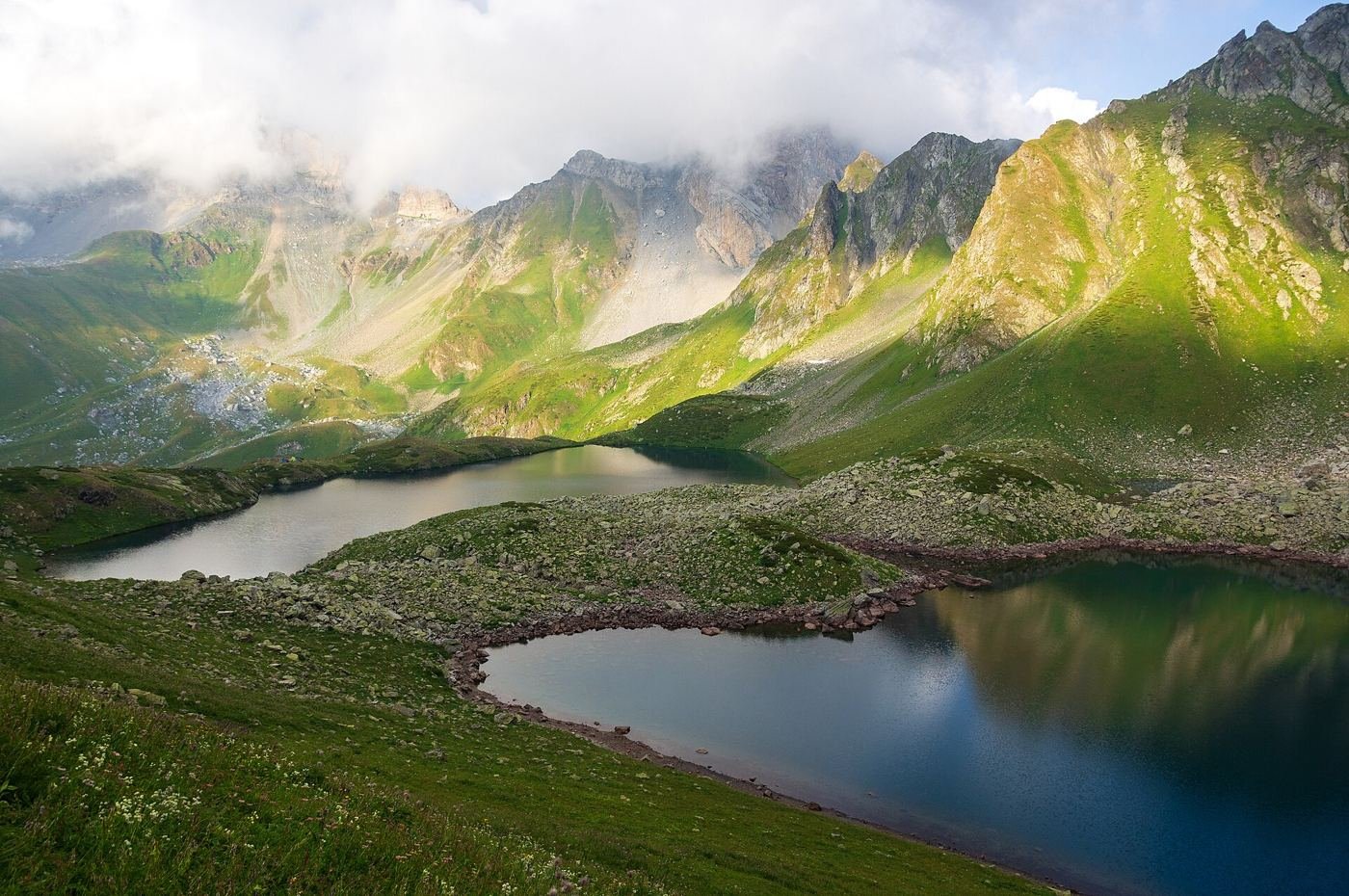
    A glacier-fed lake in a mountain valley surrounded by rocky peaks and ice.

    High in mountain valleys around the world, melting glaciers are leaving behind lakes held back only by loose walls of rock and ice debris. These glacier lakes can grow quietly for years, fed by meltwater each summer, until a landslide, avalanche or the collapse of the natural dam releases a sudden flood down the valley below. Scientists and engineers are now mapping these lakes systematically with satellite images, drone surveys and water level sensors, ranking them by size, dam condition and the homes, roads and power stations in the potential flood path. The work matters because communities downstream often have little warning when an outburst occurs, and the volume of water involved can transform a small mountain stream into a destructive torrent within minutes. Improved maps allow local authorities to install early warning sirens, plan evacuation routes and, in the highest risk cases, carefully lower a lake’s level through controlled drainage channels built by specialist teams. International teams now compare the same valleys annually, so trends are harder to miss or dispute.

    What the Evidence Shows

    Monitoring has improved dramatically in the past decade. Satellites revisit the same valleys every few days, so a lake expanding faster than expected is spotted quickly, while ground sensors can detect sudden level drops that may signal a breach and trigger automated alerts to villages below. Researchers stress that not every glacier lake is dangerous: many are stable, distant from settlements and valuable for water storage and tourism. The priority is distinguishing those from the minority with unstable dams above populated valleys. Climate change complicates the picture, because warmer summers add meltwater while also thawing the frozen ground that helps hold natural dams together. Engineering responses must therefore be reviewed regularly rather than treated as permanent fixes. Teams working in the Himalayas, the Andes and the Alps are increasingly sharing methods and data, recognising that the physics of these lakes is the same everywhere, even if the communities and terrain around them differ greatly. Reporting and analysis from sources such as NASA track the same developments, and specialists following the growing glacier lake say the direction is now consistent across independent lines of evidence.

    The Wider Context

    Funding bodies are watching the growing glacier lake closely because the work sits at the junction of basic curiosity and practical return. Grant panels increasingly ask for a path from discovery to application, while researchers push back that the most valuable uses of fundamental science are rarely the ones written into the original proposal. The tension is productive when both sides stay honest about timescales.

    What Happens Next

    The long view on the growing glacier lake is that fields advance by accumulation rather than by single announcements. This result adds a solid, checkable piece to a structure many teams are building, and its authors have shared their data so the piece can be tested from every side. That is how the picture eventually becomes reliable enough to act on. You can follow related developments in our coverage of science.

    It is also worth remembering how quickly the picture in this area has changed before. Positions that looked settled a few years ago have been revised as new data arrived, and the same humility is appropriate now. The strongest coverage of this subject, and the most useful advice, tends to come from sources that update their views openly when the facts move, rather than defending an earlier position long after it has stopped fitting the evidence available.

    flood risk glacier lakes mountain science
    Previous ArticleArctic Ocean Microbes May Help Seed the Low Clouds Above the Ice
    Next Article Arctic Sea Ice Reaches a New Seasonal Low, Researchers Report
    Vilho Heinonen

    Related Posts

    Solar Orbiter Gives Humanity Its First Glimpse of the Sun’s Poles

    November 20, 2026

    Pig Kidneys Are Bridging Patients to Human Transplants

    November 20, 2026

    Europa Clipper Is on Its Way to Hunt for Life Under the Ice

    November 19, 2026
    Add A Comment

    Leave A Reply Cancel Reply

    Top Posts

    JioBook Laptop Review: Budget Notebook for Students

    December 30, 2025146 Views

    Emerging Tech Hubs: Bangalore, Hyderabad 2025

    December 30, 202592 Views

    Green Tech in India: Renewable Energy Trends

    December 30, 202555 Views

    Transfer Data from Old Phone to New

    December 30, 202541 Views
    Don't Miss
    Blog

    Solar Orbiter Gives Humanity Its First Glimpse of the Sun’s Poles

    By Vilho HeinonenNovember 20, 2026

    For the first time in history, humanity has seen the Sun’s poles.

    Pig Kidneys Are Bridging Patients to Human Transplants

    November 20, 2026

    Europa Clipper Is on Its Way to Hunt for Life Under the Ice

    November 19, 2026

    Artemis II Crew Flies Around the Moon and Home

    November 19, 2026
    Contact Us

    Welcome to Tech Slogans, your trusted source for Latest Tech News, Reviews & Tips Updates. We are always looking for talented writers, industry experts, technology enthusiasts, bloggers, and digital professionals who can contribute high-quality content to our growing platform.

    We look forward to collaborating

    Email: calebstoneofficial@gmail.com

    Our Picks

    Solar Orbiter Gives Humanity Its First Glimpse of the Sun’s Poles

    November 20, 2026

    Pig Kidneys Are Bridging Patients to Human Transplants

    November 20, 2026

    Europa Clipper Is on Its Way to Hunt for Life Under the Ice

    November 19, 2026
    Most Popular

    Pig Kidneys Are Bridging Patients to Human Transplants

    November 20, 20261 Views

    Solar Orbiter Gives Humanity Its First Glimpse of the Sun’s Poles

    November 20, 20261 Views

    Create Amazing Games Using an Online Game Maker

    October 17, 20262 Views
    • Home
    • About Us
    • Privacy Policy
    • Terms & Conditions
    • Disclaimer
    • Write For Us
    © 2026Tech Slogans. Designed by Tech Slogans.

    Type above and press Enter to search. Press Esc to cancel.