
What's Hot

    Solar Orbiter Gives Humanity Its First Glimpse of the Sun’s Poles

    November 20, 2026

    Pig Kidneys Are Bridging Patients to Human Transplants

    November 20, 2026

    Europa Clipper Is on Its Way to Hunt for Life Under the Ice

    November 19, 2026
    Saturday, November 21
    Trending
    • Solar Orbiter Gives Humanity Its First Glimpse of the Sun’s Poles
    • Pig Kidneys Are Bridging Patients to Human Transplants
    • Europa Clipper Is on Its Way to Hunt for Life Under the Ice
    • Artemis II Crew Flies Around the Moon and Home
    • Underground Fungal Networks Link Forests Together
    • DeepMind’s AlphaGenome 2 Reads DNA Cell by Cell
    • Earth’s Magnetic North Pole Is on the Move
    • Dash Cameras Record Every Mile of the Drive
    Tech Slogans
    • Home
    • Tech News
    • How-To Guides
    • AI
    • Gadgets
    • Lists
    • Insights
    Tech Slogans
    Home»Blog»Mars Dust Storms Reshape Dunes and Bury Clues About the Planet’s Past
    Blog

    Mars Dust Storms Reshape Dunes and Bury Clues About the Planet’s Past

    Vilho HeinonenBy Vilho HeinonenNovember 10, 2026No Comments3 Mins Read
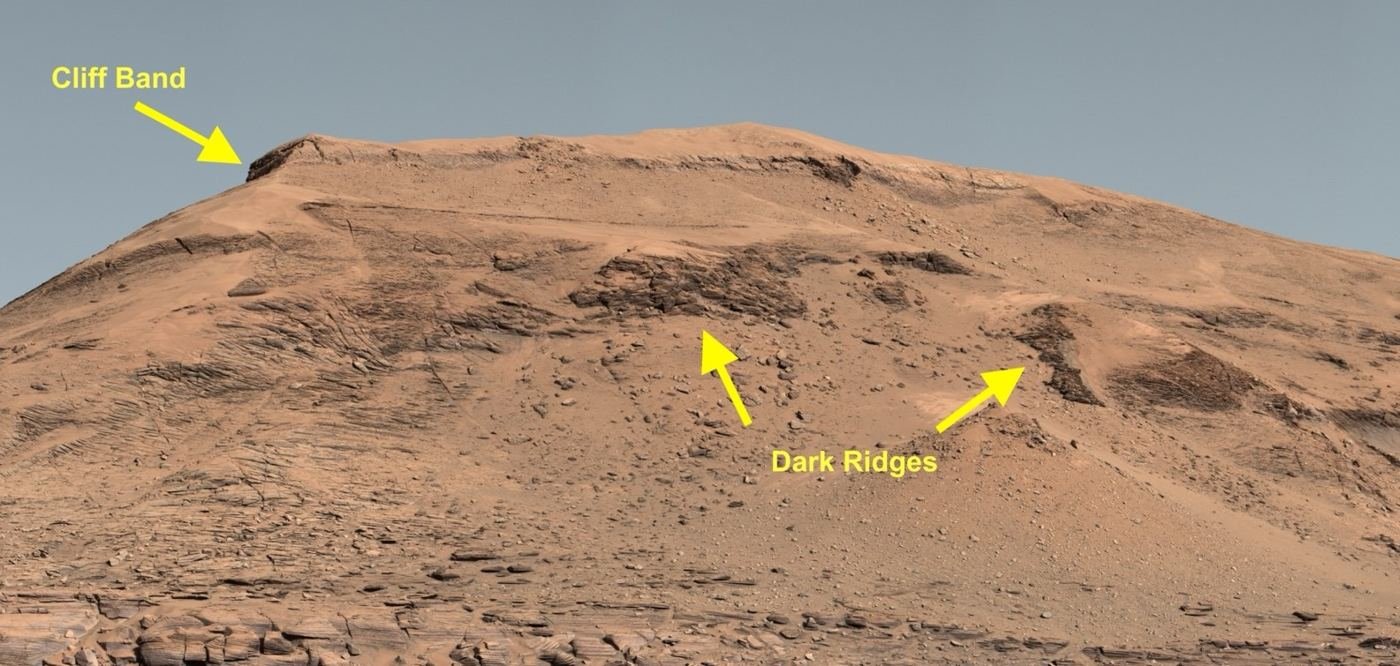
    A rover explores the red rocky surface of Mars.

    On Mars, wind is a powerful geological force in a thin atmosphere, moving sand into ripples and dunes, polishing exposed rock and occasionally lifting dust into storms that can spread across whole regions. Planetary scientists study those moving sediments because they reveal how the modern Martian climate works, and because dust can bury, expose or alter surface features that record much older conditions. Orbiters track dune movement year by year, while rovers examine grains at close range, measuring their size, composition and the small changes left after passing winds. Together, those views connect weather on a single afternoon with landscape changes that unfold over decades across the red planet’s deserts and crater floors. Dust also changes the Martian sky itself, scattering sunlight into a butterscotch haze that can persist for weeks, cooling the surface by day and altering temperatures at night in ways that orbiting instruments can measure across an entire hemisphere.

    What the Evidence Shows

    Large dust storms also matter for future exploration, since airborne dust reduces sunlight for solar-powered equipment, coats surfaces and can affect visibility and temperature. Engineers therefore want better forecasts of when regional storms grow and how long they persist, using the same orbital records that interest geologists. For scientists reconstructing Mars history, the challenge is to separate fresh wind-blown deposits from ancient lake and river sediments underneath. That careful layering work is slow, but it is how a dry, cold world gradually gives up its story, showing that even a planet without rain today is still being actively shaped by its atmosphere. By watching the same dune fields return to view after each storm season, scientists build a picture of prevailing winds over geological time, effectively reading the planet’s weather history from patterns written slowly into its sand and dust. Reporting and analysis from sources such as Nature track the same developments, and specialists following martian dust storms say the direction is now consistent across independent lines of evidence.

    The Wider Context

    The wider context is a research landscape in which replication and open data now decide reputations. Findings connected to martian dust storms are being checked by independent groups with shared datasets, and the teams involved publish their methods in full so rivals can test every step. That discipline is slower than a headline cycle, but it is why results in this area increasingly survive first contact with scrutiny.

    What Happens Next

    What happens next in the story of martian dust storms will be decided by follow-up work already under way: larger samples, longer observation and instruments that have not yet come online. The researchers involved are unusually united on one point, that the current results justify the next investment of time and money. Readers will not have to wait long for the first tests of that claim. You can follow related developments in our coverage of science.

    None of this will be settled by a single announcement, study or product launch. The pattern to watch is accumulation: independent confirmations, honest reporting of failures and steady improvement in the underlying numbers. Readers who follow those signals, rather than the loudest claim of the week, will understand this subject better than most of the commentary surrounding it suggests is possible.

    dust storms mars science planetary geology
    Previous ArticleWild Pollinators Visit City Flowers Far More Often Than Expected
    Next Article Volcano Watchers Read Gas and Ground Swell for Earlier Warnings
    Vilho Heinonen

    Related Posts

    Solar Orbiter Gives Humanity Its First Glimpse of the Sun’s Poles

    November 20, 2026

    Pig Kidneys Are Bridging Patients to Human Transplants

    November 20, 2026

    Europa Clipper Is on Its Way to Hunt for Life Under the Ice

    November 19, 2026
    Add A Comment

    Leave A Reply Cancel Reply

    Top Posts

    JioBook Laptop Review: Budget Notebook for Students

    December 30, 2025146 Views

    Emerging Tech Hubs: Bangalore, Hyderabad 2025

    December 30, 202592 Views

    Green Tech in India: Renewable Energy Trends

    December 30, 202555 Views

    Transfer Data from Old Phone to New

    December 30, 202541 Views
    Don't Miss
    Blog

    Solar Orbiter Gives Humanity Its First Glimpse of the Sun’s Poles

    By Vilho HeinonenNovember 20, 2026

    For the first time in history, humanity has seen the Sun’s poles.

    Pig Kidneys Are Bridging Patients to Human Transplants

    November 20, 2026

    Europa Clipper Is on Its Way to Hunt for Life Under the Ice

    November 19, 2026

    Artemis II Crew Flies Around the Moon and Home

    November 19, 2026
    Contact Us

    Welcome to Tech Slogans, your trusted source for Latest Tech News, Reviews & Tips Updates. We are always looking for talented writers, industry experts, technology enthusiasts, bloggers, and digital professionals who can contribute high-quality content to our growing platform.

    We look forward to collaborating

    Email: calebstoneofficial@gmail.com

    Our Picks

    Solar Orbiter Gives Humanity Its First Glimpse of the Sun’s Poles

    November 20, 2026

    Pig Kidneys Are Bridging Patients to Human Transplants

    November 20, 2026

    Europa Clipper Is on Its Way to Hunt for Life Under the Ice

    November 19, 2026
    Most Popular

    Pig Kidneys Are Bridging Patients to Human Transplants

    November 20, 20261 Views

    Solar Orbiter Gives Humanity Its First Glimpse of the Sun’s Poles

    November 20, 20261 Views

    Create Amazing Games Using an Online Game Maker

    October 17, 20262 Views
    • Home
    • About Us
    • Privacy Policy
    • Terms & Conditions
    • Disclaimer
    • Write For Us
    © 2026Tech Slogans. Designed by Tech Slogans.

    Type above and press Enter to search. Press Esc to cancel.