

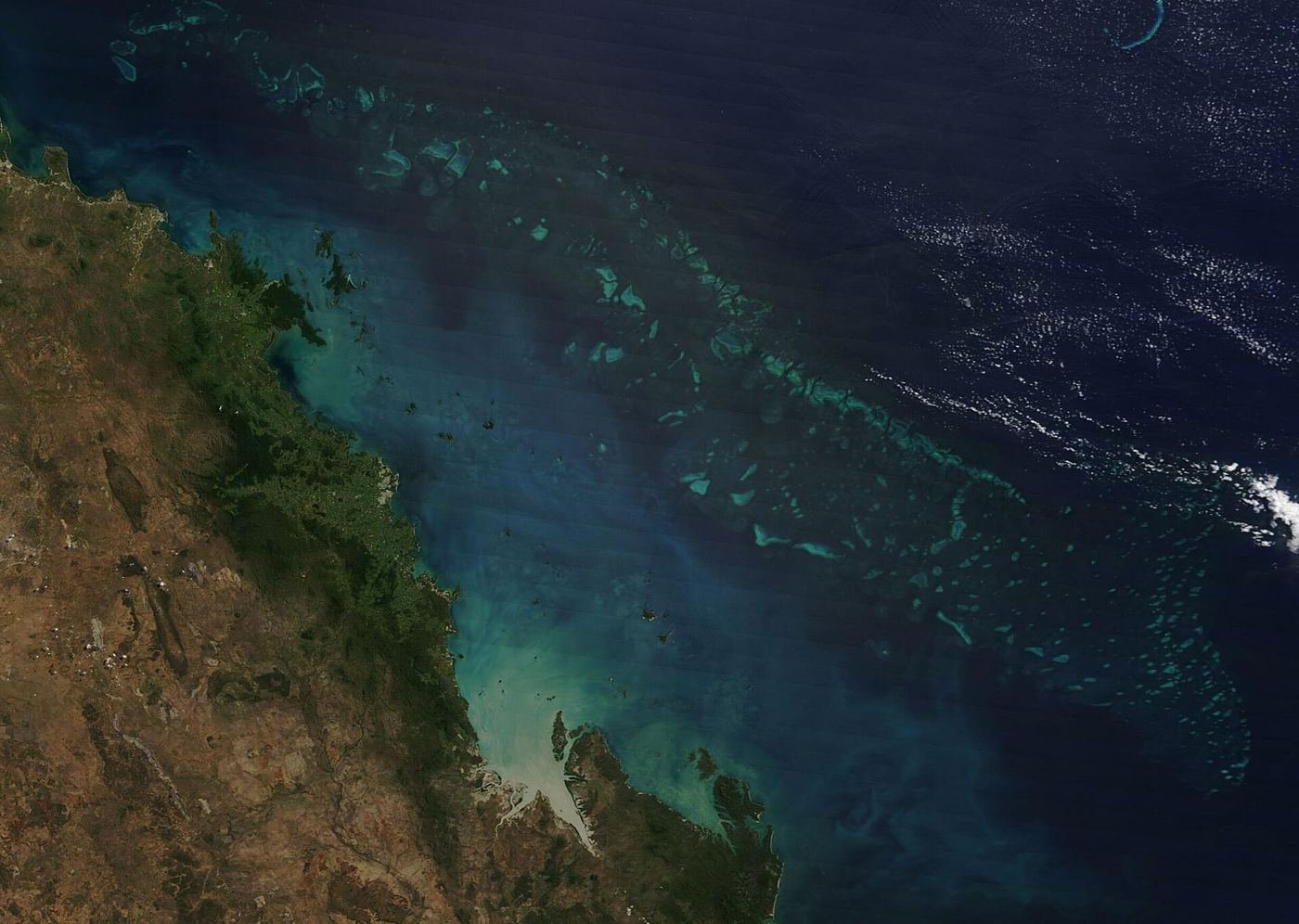
The worst coral bleaching event ever recorded has finally come to an end. The United States National Oceanic and Atmospheric Administration, known as NOAA, confirmed the fourth global coral bleaching event in April 2024, and has now determined that it likely concluded in mid-2025. Between early 2023 and mid-2025, bleaching-level heat stress affected about 84 percent of the world’s coral reef area, across all three tropical ocean basins, with mass bleaching documented in at least 83 countries and territories. The previous record event, from 2014 to 2017, affected about 68 percent of reef area. The event was driven by record ocean temperatures, intensified by the strong El Nino of 2023 and 2024, and it prompted NOAA to add three new categories to its bleaching alert scale because the heat stress exceeded anything the old scale could describe.
What the Evidence Shows
Bleaching happens when warm water stresses corals so much that they expel the tiny algae living in their tissues, losing both their colour and their main source of food. If the stress is brief, corals can recover; if it lasts, they starve and die. Reefs matter far beyond their beauty: they support about a quarter of all marine species and provide food, income and coastal protection for around 500 million people. Scientists warn that the end of this event is not the end of the threat. The underlying ocean warming continues, and NOAA has warned that the expected return of El Nino could bring widespread bleaching back within months. The long-term answer remains cutting greenhouse gas emissions, but researchers are also working on faster help, from breeding heat-tolerant corals to restoring damaged reefs, to buy these ecosystems time. Reporting and analysis from sources such as NASA track the same developments, and specialists following global coral bleaching event say the direction is now consistent across independent lines of evidence.
The Wider Context
Funding bodies are watching global coral bleaching event closely because the work sits at the junction of basic curiosity and practical return. Grant panels increasingly ask for a path from discovery to application, while researchers push back that the most valuable uses of fundamental science are rarely the ones written into the original proposal. The tension is productive when both sides stay honest about timescales.
What Happens Next
The long view on global coral bleaching event is that fields advance by accumulation rather than by single announcements. This result adds a solid, checkable piece to a structure many teams are building, and its authors have shared their data so the piece can be tested from every side. That is how the picture eventually becomes reliable enough to act on. You can follow related developments in our coverage of science.
It is also worth remembering how quickly the picture in this area has changed before. Positions that looked settled a few years ago have been revised as new data arrived, and the same humility is appropriate now. The strongest coverage of this subject, and the most useful advice, tends to come from sources that update their views openly when the facts move, rather than defending an earlier position long after it has stopped fitting the evidence available.
