

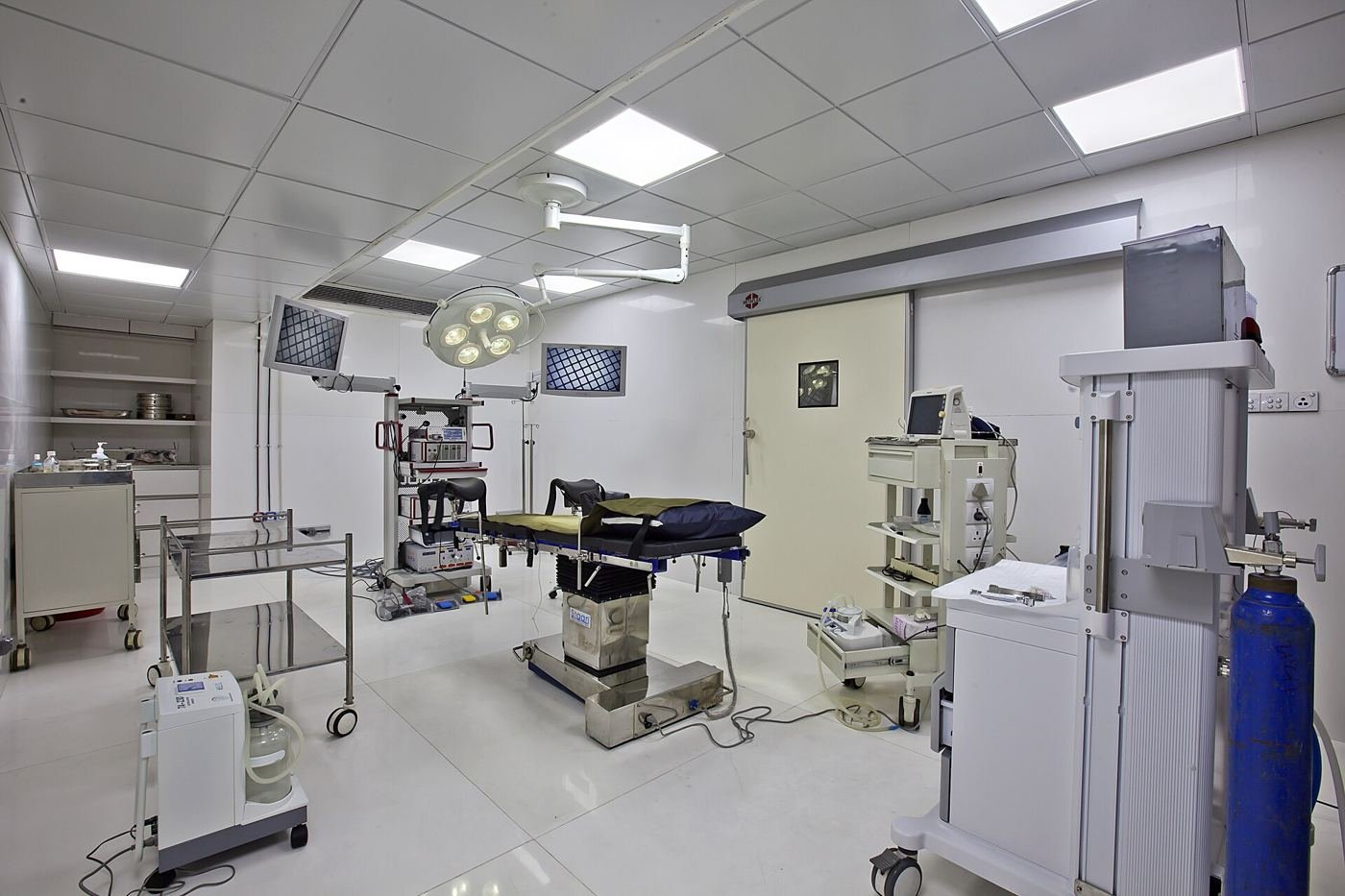
More than 100,000 people in the United States are waiting for an organ transplant, and over 90,000 of them need a kidney. Thousands die each year before a donor organ becomes available, and the shortage has pushed scientists towards an extraordinary solution: organs from genetically modified pigs. In March 2024, surgeons at Massachusetts General Hospital in Boston transplanted the first gene-edited pig kidney into a living patient, 62-year-old Rick Slayman, who lived with it for 52 days. The results improved quickly. In January 2025, Tim Andrews received a pig kidney with 69 genetic edits and lived without dialysis for 271 days, a record, before receiving a human kidney in January 2026, the first time a pig organ has served as a bridge to a human transplant. The case was published in The Lancet in September 2026.
What the Evidence Shows
The science is careful and the path is slow. Pig organs are edited to remove genes that trigger immediate rejection and to add human genes that calm the immune system, while other edits switch off viruses embedded in the pig genome. The procedures take place under strict oversight from the United States Food and Drug Administration, first as compassionate-use cases for patients with no other option, and now as formal clinical trials. United Therapeutics began a trial of its ten-edit kidney in 2025, and the FDA cleared the first trial of a genetically engineered pig heart in May 2026. Questions remain about long-term survival, infection risk and cost, and about the ethics of raising animals for organs. But for patients on dialysis with no donor in sight, the field offers something that was missing for decades: a realistic hope. Reporting and analysis from sources such as NASA track the same developments, and specialists following pig kidney transplants say the direction is now consistent across independent lines of evidence.
The Wider Context
Funding bodies are watching pig kidney transplants closely because the work sits at the junction of basic curiosity and practical return. Grant panels increasingly ask for a path from discovery to application, while researchers push back that the most valuable uses of fundamental science are rarely the ones written into the original proposal. The tension is productive when both sides stay honest about timescales.
What Happens Next
The long view on pig kidney transplants is that fields advance by accumulation rather than by single announcements. This result adds a solid, checkable piece to a structure many teams are building, and its authors have shared their data so the piece can be tested from every side. That is how the picture eventually becomes reliable enough to act on. You can follow related developments in our coverage of science.
It is also worth remembering how quickly the picture in this area has changed before. Positions that looked settled a few years ago have been revised as new data arrived, and the same humility is appropriate now. The strongest coverage of this subject, and the most useful advice, tends to come from sources that update their views openly when the facts move, rather than defending an earlier position long after it has stopped fitting the evidence available.
