

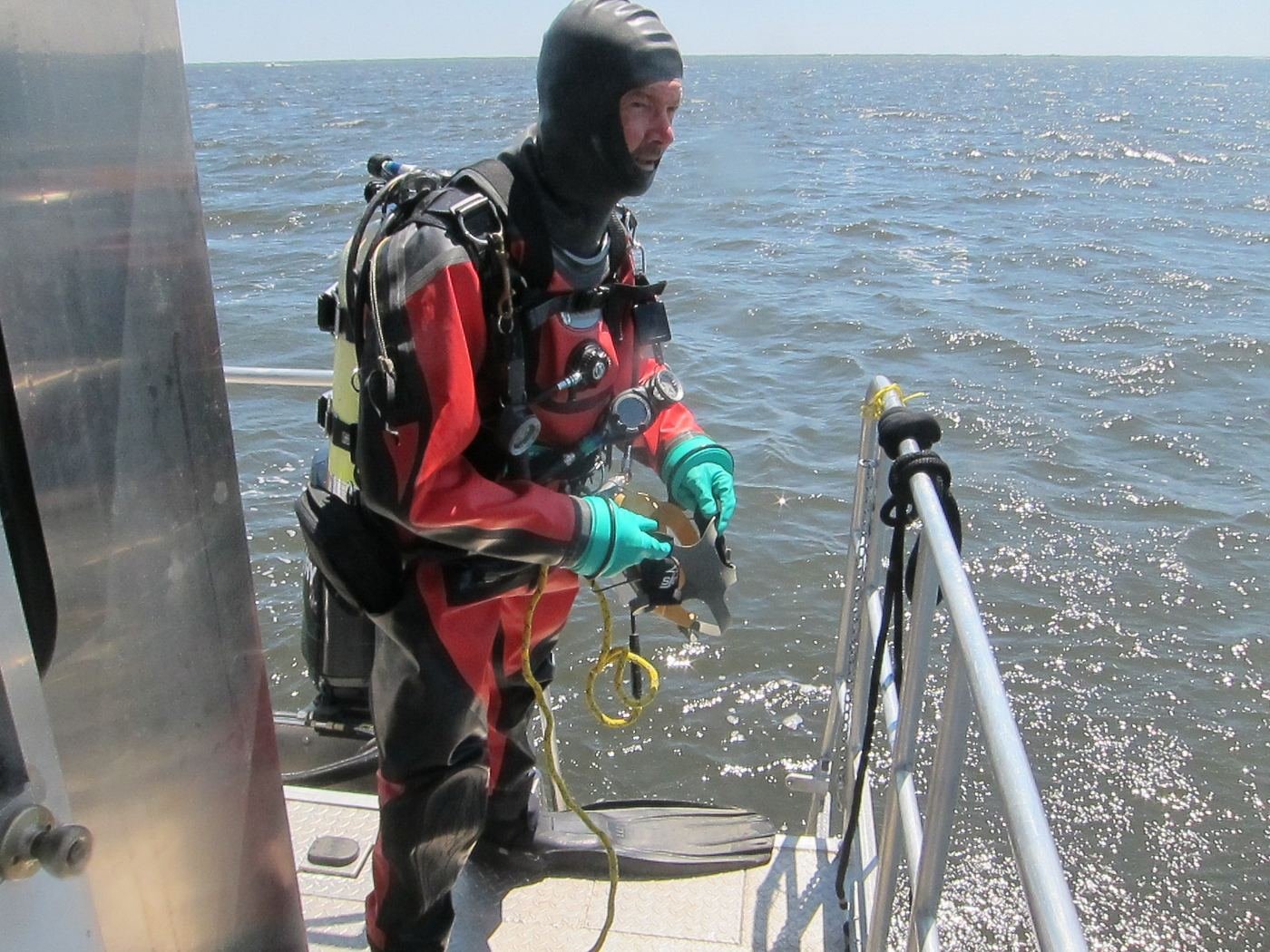
Coral reefs are among the most crowded habitats on Earth, sheltering a quarter of all marine species in less than one percent of the ocean. They are also among the most fragile. When the water grows too warm, corals expel the algae that feed them and turn white, and if the heat lasts, the reef dies. Across the world, reefs have lost much of their living coral in recent decades, and the fish, tourism and coastal protection that depend on them are fading too. Coral gardeners are fighting back by hand. Divers collect small fragments of healthy coral, grow them in underwater nurseries, and then plant them onto damaged reefs, where they can grow into new colonies and give the reef a second chance. The nurseries themselves are a sight to behold, with rows of coral fragments hanging from frames like a garden underwater, tended by divers who clean away algae and check each piece for growth. A fragment that would take years to grow on a damaged reef can double in size within months in a nursery.
What the Evidence Shows
The work is slow and labour intensive, and a restored patch can be wiped out by the next marine heatwave, so scientists are choosing their corals carefully. They select fragments from colonies that survived previous bleaching, hoping their heat tolerance is inherited, and they are crossing different strains to breed tougher corals. Researchers stress that gardening alone cannot save the reefs, and that without cutting the warming that causes bleaching, the restored corals will face the same fate. But they say the nurseries are buying time, keeping living reef in the water while the larger problem is addressed, and giving damaged reefs a start they would not recover on their own. Success is measured in years, not months, since a planted coral must survive storms, disease and the next bleaching event before it counts as a restored reef. Scientists track the planted colonies carefully, recording which strains survive and using that knowledge to choose the next generation of fragments. Reporting and analysis from sources such as NASA track the same developments, and specialists following the coral reef gardeners say the direction is now consistent across independent lines of evidence.
The Wider Context
Funding bodies are watching the coral reef gardeners closely because the work sits at the junction of basic curiosity and practical return. Grant panels increasingly ask for a path from discovery to application, while researchers push back that the most valuable uses of fundamental science are rarely the ones written into the original proposal. The tension is productive when both sides stay honest about timescales.
What Happens Next
The long view on the coral reef gardeners is that fields advance by accumulation rather than by single announcements. This result adds a solid, checkable piece to a structure many teams are building, and its authors have shared their data so the piece can be tested from every side. That is how the picture eventually becomes reliable enough to act on. You can follow related developments in our coverage of science.
It is also worth remembering how quickly the picture in this area has changed before. Positions that looked settled a few years ago have been revised as new data arrived, and the same humility is appropriate now. The strongest coverage of this subject, and the most useful advice, tends to come from sources that update their views openly when the facts move, rather than defending an earlier position long after it has stopped fitting the evidence available.
