
What's Hot

    Solar Orbiter Gives Humanity Its First Glimpse of the Sun’s Poles

    November 20, 2026

    Pig Kidneys Are Bridging Patients to Human Transplants

    November 20, 2026

    Europa Clipper Is on Its Way to Hunt for Life Under the Ice

    November 19, 2026
    Saturday, November 21
    Trending
    • Solar Orbiter Gives Humanity Its First Glimpse of the Sun’s Poles
    • Pig Kidneys Are Bridging Patients to Human Transplants
    • Europa Clipper Is on Its Way to Hunt for Life Under the Ice
    • Artemis II Crew Flies Around the Moon and Home
    • Underground Fungal Networks Link Forests Together
    • DeepMind’s AlphaGenome 2 Reads DNA Cell by Cell
    • Earth’s Magnetic North Pole Is on the Move
    • Dash Cameras Record Every Mile of the Drive
    Tech Slogans
    • Home
    • Tech News
    • How-To Guides
    • AI
    • Gadgets
    • Lists
    • Insights
    Tech Slogans
    Home»Blog»Ancient Asteroids Hold Clues to the Birth of the Solar System
    Blog

    Ancient Asteroids Hold Clues to the Birth of the Solar System

    Vilho HeinonenBy Vilho HeinonenNovember 14, 2026No Comments3 Mins Read
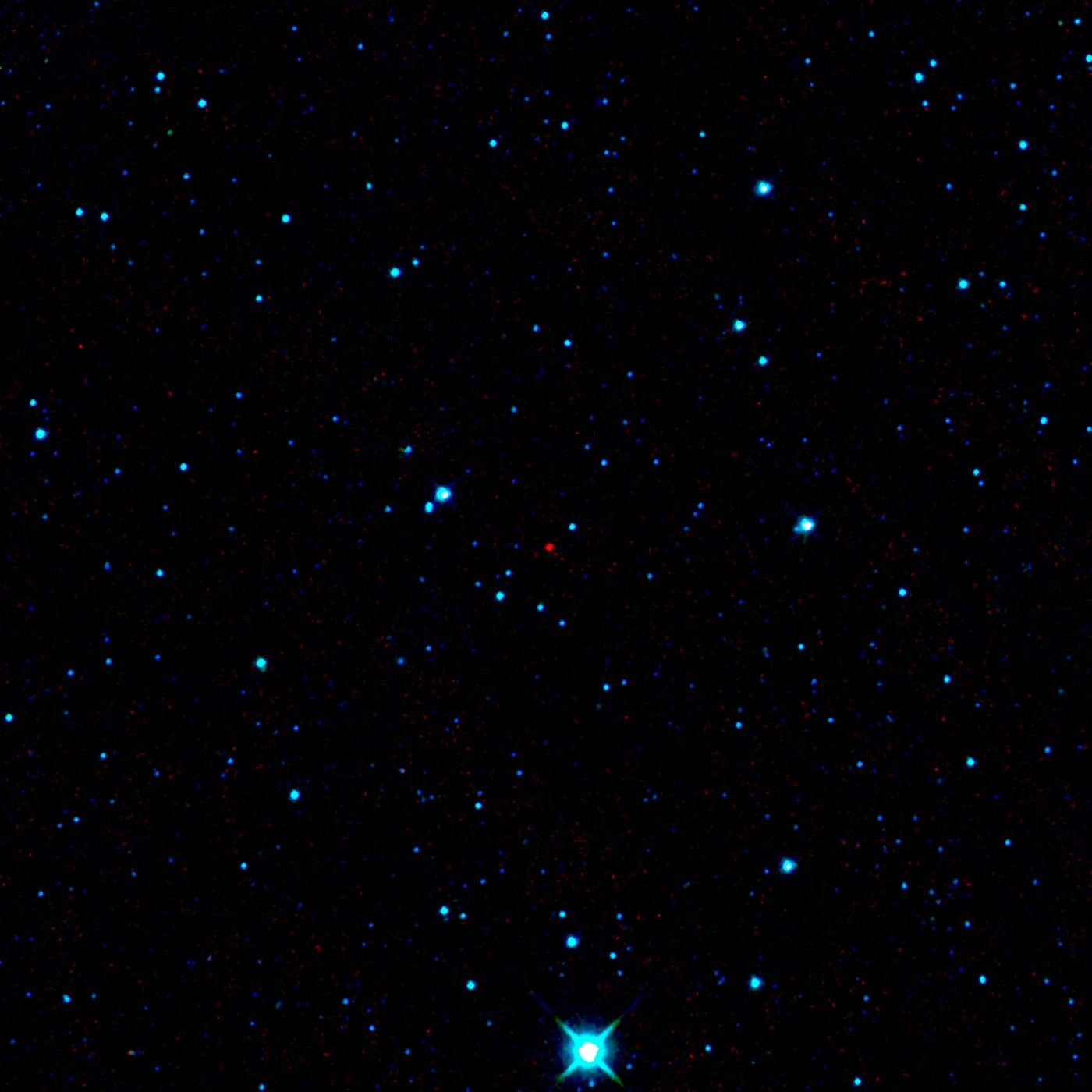
    A rocky asteroid drifts through space against a background of distant stars.

    The asteroids drifting between Mars and Jupiter are leftovers from the birth of the solar system, fragments of rock and metal that never gathered into a planet. Because they have changed so little since then, they carry a record of the materials and conditions that existed more than four billion years ago. Scientists study them from Earth with telescopes and up close with spacecraft, and what they find keeps rewriting the story of how the planets formed. Some asteroids are rich in water-bearing minerals, suggesting that similar bodies may have delivered much of Earth’s water. Others contain organic compounds, the carbon-based molecules that are the building blocks of life. By comparing asteroids of different types, researchers can trace how material was mixed and moved around the young solar system, and why the inner planets ended up rocky while the outer planets grew into giants. Each fragment is a survivor from a time before Earth itself existed.

    What the Evidence Shows

    Sample return missions have made the study of asteroids far more precise, because rocks examined in Earth laboratories can be dated and analysed in ways no spacecraft instrument can match. Recent missions have brought back grains from carbon-rich asteroids, and early analysis found water, organic molecules and minerals that formed in the presence of liquid, confirming that these small bodies once held the ingredients for chemistry that could lead to life. Researchers are now planning visits to metal-rich asteroids, which may be the exposed cores of bodies that began to form planets before being broken apart. Each mission adds detail to the picture of a solar system that was once a crowded place of colliding and merging bodies. Scientists say the work matters beyond curiosity, since the same knowledge helps predict how asteroids behave and how a dangerous one might be deflected, linking the study of the distant past to the protection of the future. Reporting and analysis from sources such as Nature track the same developments, and specialists following the ancient asteroid fragments say the direction is now consistent across independent lines of evidence.

    The Wider Context

    The wider context is a research landscape in which replication and open data now decide reputations. Findings connected to the ancient asteroid fragments are being checked by independent groups with shared datasets, and the teams involved publish their methods in full so rivals can test every step. That discipline is slower than a headline cycle, but it is why results in this area increasingly survive first contact with scrutiny.

    What Happens Next

    What happens next in the story of the ancient asteroid fragments will be decided by follow-up work already under way: larger samples, longer observation and instruments that have not yet come online. The researchers involved are unusually united on one point, that the current results justify the next investment of time and money. Readers will not have to wait long for the first tests of that claim. You can follow related developments in our coverage of science.

    None of this will be settled by a single announcement, study or product launch. The pattern to watch is accumulation: independent confirmations, honest reporting of failures and steady improvement in the underlying numbers. Readers who follow those signals, rather than the loudest claim of the week, will understand this subject better than most of the commentary surrounding it suggests is possible.

    asteroids solar system space science
    Previous ArticleEuropa’s Water Plumes Offer a Shortcut to Sampling Its Hidden Ocean
    Next Article Astronomers Read Exoplanet Atmospheres for Signs of Water Vapour
    Vilho Heinonen

    Related Posts

    Solar Orbiter Gives Humanity Its First Glimpse of the Sun’s Poles

    November 20, 2026

    Pig Kidneys Are Bridging Patients to Human Transplants

    November 20, 2026

    Europa Clipper Is on Its Way to Hunt for Life Under the Ice

    November 19, 2026
    Add A Comment

    Leave A Reply Cancel Reply

    Top Posts

    JioBook Laptop Review: Budget Notebook for Students

    December 30, 2025146 Views

    Emerging Tech Hubs: Bangalore, Hyderabad 2025

    December 30, 202592 Views

    Green Tech in India: Renewable Energy Trends

    December 30, 202555 Views

    Transfer Data from Old Phone to New

    December 30, 202541 Views
    Don't Miss
    Blog

    Solar Orbiter Gives Humanity Its First Glimpse of the Sun’s Poles

    By Vilho HeinonenNovember 20, 2026

    For the first time in history, humanity has seen the Sun’s poles.

    Pig Kidneys Are Bridging Patients to Human Transplants

    November 20, 2026

    Europa Clipper Is on Its Way to Hunt for Life Under the Ice

    November 19, 2026

    Artemis II Crew Flies Around the Moon and Home

    November 19, 2026
    Contact Us

    Welcome to Tech Slogans, your trusted source for Latest Tech News, Reviews & Tips Updates. We are always looking for talented writers, industry experts, technology enthusiasts, bloggers, and digital professionals who can contribute high-quality content to our growing platform.

    We look forward to collaborating

    Email: calebstoneofficial@gmail.com

    Our Picks

    Solar Orbiter Gives Humanity Its First Glimpse of the Sun’s Poles

    November 20, 2026

    Pig Kidneys Are Bridging Patients to Human Transplants

    November 20, 2026

    Europa Clipper Is on Its Way to Hunt for Life Under the Ice

    November 19, 2026
    Most Popular

    Pig Kidneys Are Bridging Patients to Human Transplants

    November 20, 20261 Views

    Solar Orbiter Gives Humanity Its First Glimpse of the Sun’s Poles

    November 20, 20261 Views

    Create Amazing Games Using an Online Game Maker

    October 17, 20262 Views
    • Home
    • About Us
    • Privacy Policy
    • Terms & Conditions
    • Disclaimer
    • Write For Us
    © 2026Tech Slogans. Designed by Tech Slogans.

    Type above and press Enter to search. Press Esc to cancel.