
What's Hot

    Solar Orbiter Gives Humanity Its First Glimpse of the Sun’s Poles

    November 20, 2026

    Pig Kidneys Are Bridging Patients to Human Transplants

    November 20, 2026

    Europa Clipper Is on Its Way to Hunt for Life Under the Ice

    November 19, 2026
    Saturday, November 21
    Trending
    • Solar Orbiter Gives Humanity Its First Glimpse of the Sun’s Poles
    • Pig Kidneys Are Bridging Patients to Human Transplants
    • Europa Clipper Is on Its Way to Hunt for Life Under the Ice
    • Artemis II Crew Flies Around the Moon and Home
    • Underground Fungal Networks Link Forests Together
    • DeepMind’s AlphaGenome 2 Reads DNA Cell by Cell
    • Earth’s Magnetic North Pole Is on the Move
    • Dash Cameras Record Every Mile of the Drive
    Tech Slogans
    • Home
    • Tech News
    • How-To Guides
    • AI
    • Gadgets
    • Lists
    • Insights
    Tech Slogans
    Home»Blog»Europa’s Icy Crust May Hide Shallow Lakes of Liquid Water
    Blog

    Europa’s Icy Crust May Hide Shallow Lakes of Liquid Water

    Vilho HeinonenBy Vilho HeinonenNovember 9, 2026No Comments3 Mins Read
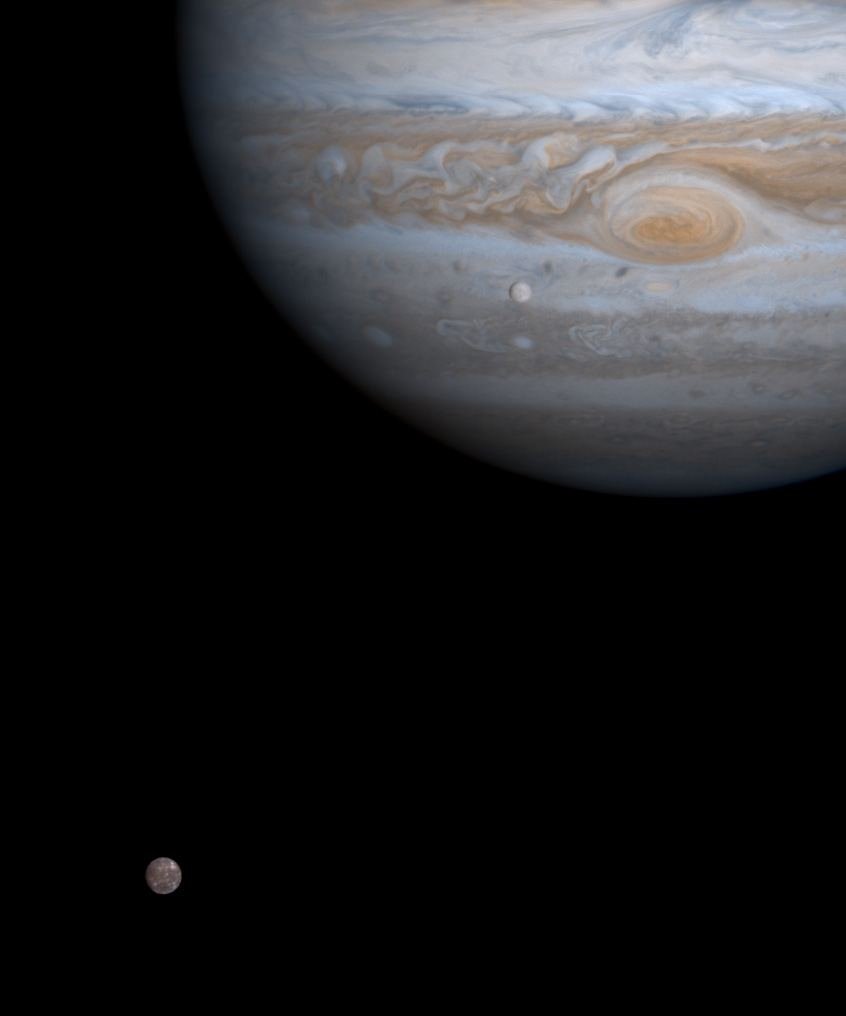
    Jupiter's moon Europa shines against space, its cracked icy surface hiding a deep global ocean.

    Beneath the cracked ice shell of Jupiter’s moon Europa, planetary scientists now suspect that lakes of liquid water may sit far closer to the surface than the moon’s famous deep ocean. The idea comes from comparing Europa’s chaotic terrain, vast regions where the ice has broken, shifted and refrozen, with volcanic features observed beneath Greenland’s ice sheet, where pockets of water collect and drain within the ice itself. If similar reservoirs exist on Europa, they would be dramatically easier for a future spacecraft to study than an ocean lying perhaps twenty kilometres down. They would also be scientifically precious: shallow lakes exchange material with the surface, where radiation creates chemical ingredients that could feed simple chemistry below. Researchers stress that the evidence is indirect, assembled from radar echoes, surface geology and modelling, but the hypothesis has reorganised how mission planners think about where to look first on this distant ocean world.

    What the Evidence Shows

    Testing the idea is the work of spacecraft now travelling or preparing to travel to the Jupiter system. Ice-penetrating radar carried by upcoming missions is designed to profile the shell’s structure and search for the bright reflections that liquid water produces, much as radar surveys map lakes beneath Antarctic ice. Scientists are also re-examining decades-old observations for plumes of water vapour that might connect shallow reservoirs to the surface. Laboratory experiments with salty ice under Europa-like conditions help interpret what the instruments will see, because brines remain liquid at far lower temperatures than pure water and behave differently under pressure. Even a negative result would be valuable, ruling out one of the few accessible environments on the moon. The enthusiasm reflects a wider shift in planetary science toward ocean worlds, where the ingredients for life, water, chemistry and energy, appear to coincide more often than anyone expected a generation ago. Reporting and analysis from sources such as NASA track the same developments, and specialists following shallow liquid water lakes inside Europa say the direction is now consistent across independent lines of evidence.

    The Wider Context

    Funding bodies are watching shallow liquid water lakes inside Europa closely because the work sits at the junction of basic curiosity and practical return. Grant panels increasingly ask for a path from discovery to application, while researchers push back that the most valuable uses of fundamental science are rarely the ones written into the original proposal. The tension is productive when both sides stay honest about timescales.

    What Happens Next

    The long view on shallow liquid water lakes inside Europa is that fields advance by accumulation rather than by single announcements. This result adds a solid, checkable piece to a structure many teams are building, and its authors have shared their data so the piece can be tested from every side. That is how the picture eventually becomes reliable enough to act on. You can follow related developments in our coverage of science.

    It is also worth remembering how quickly the picture in this area has changed before. Positions that looked settled a few years ago have been revised as new data arrived, and the same humility is appropriate now. The strongest coverage of this subject, and the most useful advice, tends to come from sources that update their views openly when the facts move, rather than defending an earlier position long after it has stopped fitting the evidence available.

    Europa ocean worlds planetary science
    Previous ArticleTiny Icequakes Show Glaciers Slipping Long Before They Surge
    Next Article Wild Pollinators Visit City Flowers Far More Often Than Expected
    Vilho Heinonen

    Related Posts

    Solar Orbiter Gives Humanity Its First Glimpse of the Sun’s Poles

    November 20, 2026

    Pig Kidneys Are Bridging Patients to Human Transplants

    November 20, 2026

    Europa Clipper Is on Its Way to Hunt for Life Under the Ice

    November 19, 2026
    Add A Comment

    Leave A Reply Cancel Reply

    Top Posts

    JioBook Laptop Review: Budget Notebook for Students

    December 30, 2025146 Views

    Emerging Tech Hubs: Bangalore, Hyderabad 2025

    December 30, 202592 Views

    Green Tech in India: Renewable Energy Trends

    December 30, 202555 Views

    Transfer Data from Old Phone to New

    December 30, 202541 Views
    Don't Miss
    Blog

    Solar Orbiter Gives Humanity Its First Glimpse of the Sun’s Poles

    By Vilho HeinonenNovember 20, 2026

    For the first time in history, humanity has seen the Sun’s poles.

    Pig Kidneys Are Bridging Patients to Human Transplants

    November 20, 2026

    Europa Clipper Is on Its Way to Hunt for Life Under the Ice

    November 19, 2026

    Artemis II Crew Flies Around the Moon and Home

    November 19, 2026
    Contact Us

    Welcome to Tech Slogans, your trusted source for Latest Tech News, Reviews & Tips Updates. We are always looking for talented writers, industry experts, technology enthusiasts, bloggers, and digital professionals who can contribute high-quality content to our growing platform.

    We look forward to collaborating

    Email: calebstoneofficial@gmail.com

    Our Picks

    Solar Orbiter Gives Humanity Its First Glimpse of the Sun’s Poles

    November 20, 2026

    Pig Kidneys Are Bridging Patients to Human Transplants

    November 20, 2026

    Europa Clipper Is on Its Way to Hunt for Life Under the Ice

    November 19, 2026
    Most Popular

    Pig Kidneys Are Bridging Patients to Human Transplants

    November 20, 20261 Views

    Solar Orbiter Gives Humanity Its First Glimpse of the Sun’s Poles

    November 20, 20261 Views

    Create Amazing Games Using an Online Game Maker

    October 17, 20262 Views
    • Home
    • About Us
    • Privacy Policy
    • Terms & Conditions
    • Disclaimer
    • Write For Us
    © 2026Tech Slogans. Designed by Tech Slogans.

    Type above and press Enter to search. Press Esc to cancel.