
What's Hot

    Solar Orbiter Gives Humanity Its First Glimpse of the Sun’s Poles

    November 20, 2026

    Pig Kidneys Are Bridging Patients to Human Transplants

    November 20, 2026

    Europa Clipper Is on Its Way to Hunt for Life Under the Ice

    November 19, 2026
    Saturday, November 21
    Trending
    • Solar Orbiter Gives Humanity Its First Glimpse of the Sun’s Poles
    • Pig Kidneys Are Bridging Patients to Human Transplants
    • Europa Clipper Is on Its Way to Hunt for Life Under the Ice
    • Artemis II Crew Flies Around the Moon and Home
    • Underground Fungal Networks Link Forests Together
    • DeepMind’s AlphaGenome 2 Reads DNA Cell by Cell
    • Earth’s Magnetic North Pole Is on the Move
    • Dash Cameras Record Every Mile of the Drive
    Tech Slogans
    • Home
    • Tech News
    • How-To Guides
    • AI
    • Gadgets
    • Lists
    • Insights
    Tech Slogans
    Home»Blog»Tiny Icequakes Show Glaciers Slipping Long Before They Surge
    Blog

    Tiny Icequakes Show Glaciers Slipping Long Before They Surge

    Vilho HeinonenBy Vilho HeinonenNovember 8, 2026No Comments3 Mins Read
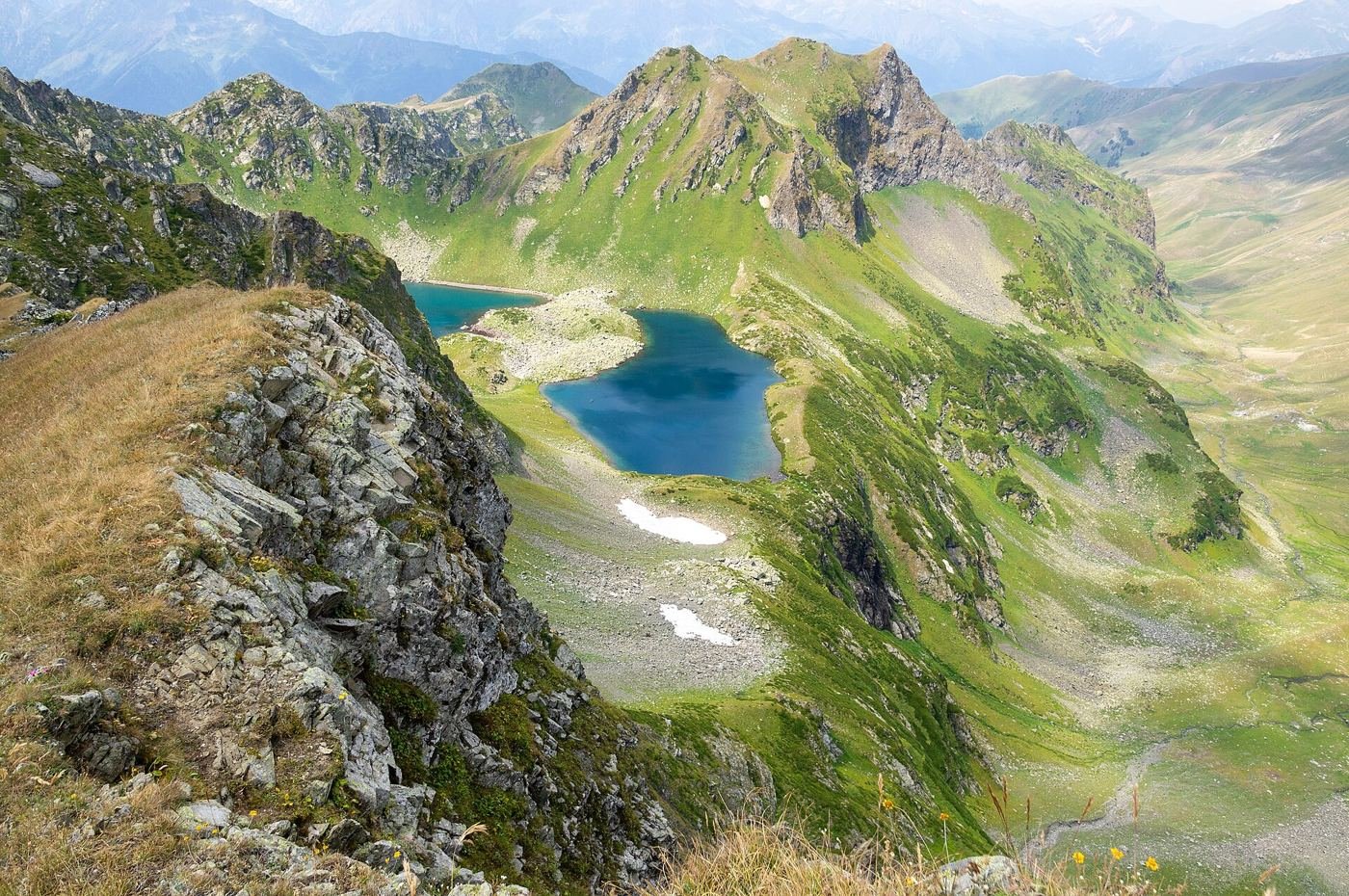
    A glacier winding through a mountain valley above a lake, its hidden base producing tiny icequakes as it slips.

    Glaciers speak in cracks and rumbles, and seismometers frozen into their surfaces are now listening closely enough to hear thousands of tiny icequakes that reveal how the ice moves over its bed. Much of a glacier’s speed is decided out of sight, where meltwater lubricates the contact between ice and rock. When that water pressure rises, patches of the bed can slip suddenly in small events, each releasing a faint seismic signal. By locating these icequakes, researchers build a moving picture of which parts of the base are locked and which are sliding, and how the pattern changes through the melt season. The method borrows from earthquake science but faces a noisier subject: crevasses open, melt streams roar and the sensors themselves ride a flowing surface. Machine learning helps separate genuine basal slips from surface cracking, especially when instruments are arranged in dense arrays. The payoff is a window into processes that decide how fast glaciers deliver ice to the ocean and raise sea levels. Satellites measure surface speed well, yet two glaciers moving at the same pace can be sliding for different reasons, with different futures. Icequake records help distinguish them and test the friction laws used inside large ice-sheet models.

    What the Evidence Shows

    Field teams have found that basal slip often concentrates in sticky spots and cavities whose behaviour changes with water supply, so a glacier can speed up in summer and settle again as drainage organises itself into efficient channels. Recording that cycle in detail matters because the same physics governs the great outlet glaciers of Greenland and Antarctica, where direct access to the bed is impossible. Seismic listening offers one of the few ways to observe their hidden machinery remotely and continuously. Researchers are also watching for changes in pattern that might precede a glacier surge, a rare but dramatic acceleration that can advance ice kilometres in a few years and threaten valleys below. No reliable surge forecast exists yet, and scientists are careful about promising one, but shifts in icequake location and frequency are among the most plausible early indicators. Long-term stations, powered through polar winters, are beginning to provide the multi-year records such warnings would require. The work reframes glaciers as dynamic systems that can be monitored like volcanoes and faults, with instruments tuned to their smallest movements. Listening carefully to ice, it turns out, is one of the best ways to anticipate what it will do next. Reporting and analysis from sources such as Nature track the same developments, and specialists following glacier icequakes and slipping ice say the direction is now consistent across independent lines of evidence.

    The Wider Context

    The wider context is a research landscape in which replication and open data now decide reputations. Findings connected to glacier icequakes and slipping ice are being checked by independent groups with shared datasets, and the teams involved publish their methods in full so rivals can test every step. That discipline is slower than a headline cycle, but it is why results in this area increasingly survive first contact with scrutiny.

    What Happens Next

    What happens next in the story of glacier icequakes and slipping ice will be decided by follow-up work already under way: larger samples, longer observation and instruments that have not yet come online. The researchers involved are unusually united on one point, that the current results justify the next investment of time and money. Readers will not have to wait long for the first tests of that claim. You can follow related developments in our coverage of science.

    climate glaciers seismology
    Previous ArticleCommunity Nurses Visit Housebound Patients For Winter Health Checks
    Next Article Europa’s Icy Crust May Hide Shallow Lakes of Liquid Water
    Vilho Heinonen

    Related Posts

    Solar Orbiter Gives Humanity Its First Glimpse of the Sun’s Poles

    November 20, 2026

    Pig Kidneys Are Bridging Patients to Human Transplants

    November 20, 2026

    Europa Clipper Is on Its Way to Hunt for Life Under the Ice

    November 19, 2026
    Add A Comment

    Leave A Reply Cancel Reply

    Top Posts

    JioBook Laptop Review: Budget Notebook for Students

    December 30, 2025146 Views

    Emerging Tech Hubs: Bangalore, Hyderabad 2025

    December 30, 202592 Views

    Green Tech in India: Renewable Energy Trends

    December 30, 202555 Views

    Transfer Data from Old Phone to New

    December 30, 202541 Views
    Don't Miss
    Blog

    Solar Orbiter Gives Humanity Its First Glimpse of the Sun’s Poles

    By Vilho HeinonenNovember 20, 2026

    For the first time in history, humanity has seen the Sun’s poles.

    Pig Kidneys Are Bridging Patients to Human Transplants

    November 20, 2026

    Europa Clipper Is on Its Way to Hunt for Life Under the Ice

    November 19, 2026

    Artemis II Crew Flies Around the Moon and Home

    November 19, 2026
    Contact Us

    Welcome to Tech Slogans, your trusted source for Latest Tech News, Reviews & Tips Updates. We are always looking for talented writers, industry experts, technology enthusiasts, bloggers, and digital professionals who can contribute high-quality content to our growing platform.

    We look forward to collaborating

    Email: calebstoneofficial@gmail.com

    Our Picks

    Solar Orbiter Gives Humanity Its First Glimpse of the Sun’s Poles

    November 20, 2026

    Pig Kidneys Are Bridging Patients to Human Transplants

    November 20, 2026

    Europa Clipper Is on Its Way to Hunt for Life Under the Ice

    November 19, 2026
    Most Popular

    Pig Kidneys Are Bridging Patients to Human Transplants

    November 20, 20261 Views

    Solar Orbiter Gives Humanity Its First Glimpse of the Sun’s Poles

    November 20, 20261 Views

    Create Amazing Games Using an Online Game Maker

    October 17, 20262 Views
    • Home
    • About Us
    • Privacy Policy
    • Terms & Conditions
    • Disclaimer
    • Write For Us
    © 2026Tech Slogans. Designed by Tech Slogans.

    Type above and press Enter to search. Press Esc to cancel.