
Introduction
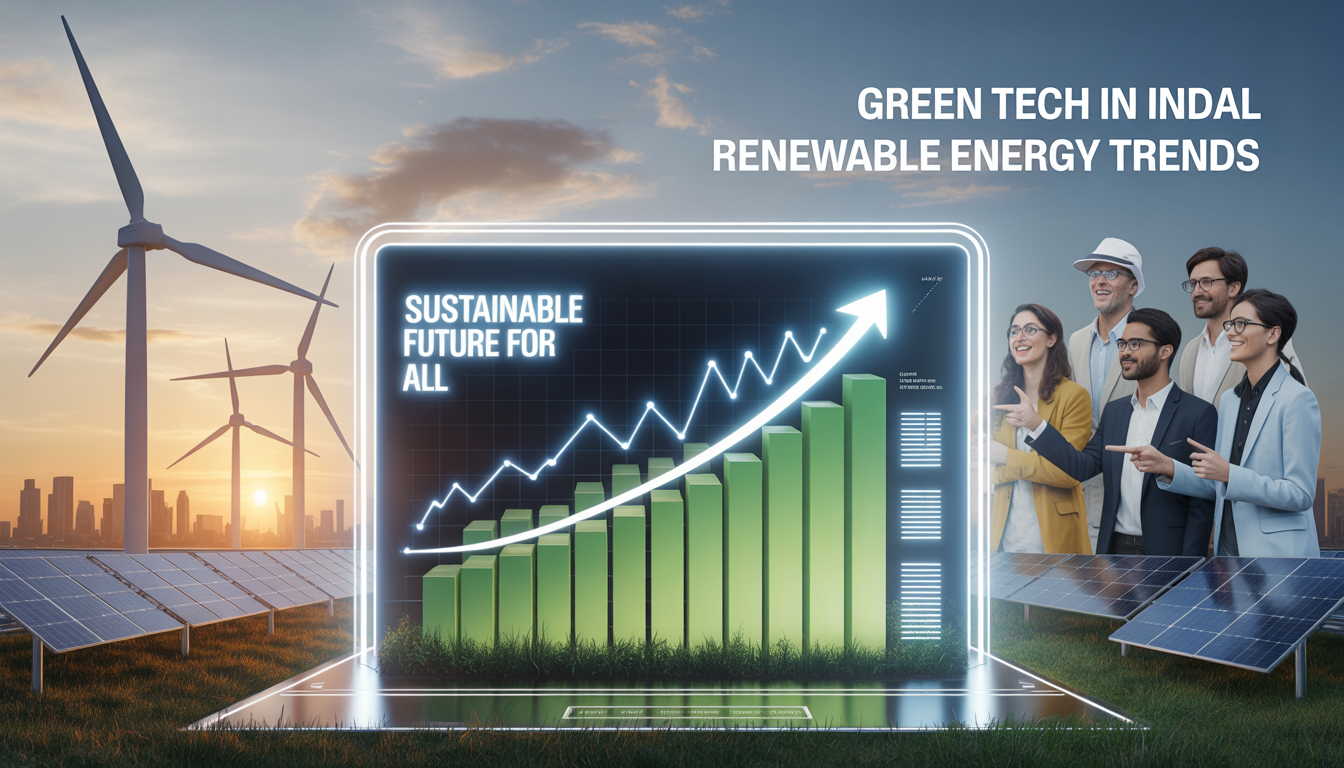
India is rapidly embracing renewable energy as a key pillar of its Green Tech revolution. With rising energy demands, climate concerns, and government incentives, businesses and tech enthusiasts are exploring practical, cost-effective solutions. Understanding renewable energy trends in India is essential for decision-makers and innovators alike.
What is Green Tech?
Green Tech, or sustainable technology, refers to innovations designed to minimize environmental impact while maximizing efficiency. In India, it primarily focuses on renewable energy, energy-efficient solutions, and technologies that support a low-carbon economy.
Why it Matters / Who Benefits
- Businesses & Startups: Reduced operational costs and energy security.
- Government & Policy Makers: Meeting climate goals and fostering green jobs.
- Consumers & Households: Lower electricity bills and eco-friendly living.
- Tech Developers & Engineers: Opportunities for innovation and deployment of smart solutions.
How it Works / Key Features
1. Solar Power Systems
- Converts sunlight into electricity using photovoltaic panels.
- Grid-connected or off-grid setups are common.
- Cost-effective for commercial and residential applications.
2. Wind Energy
- Turbines convert wind kinetic energy into electrical energy.
- Best suited for coastal and high-wind regions.
- Emerging tech includes offshore wind farms in India.
3. Energy Storage & Smart Grids
- Battery storage stabilizes intermittent renewable sources.
- Smart grids optimize energy distribution and reduce wastage.
- Enables integration of solar, wind, and other renewables.
4. Electric Vehicles & EV Charging Infrastructure
- Reduces dependence on fossil fuels.
- Supports India’s net-zero emission goals by 2070.
- Charging stations are increasingly powered by renewable sources.
Practical Use Cases & Examples
- Commercial Buildings: Solar rooftop panels reducing energy bills by 30–40%.
- Rural Electrification: Off-grid solar microgrids powering remote villages.
- Industrial Applications: Wind-solar hybrid systems for factories to maintain 24/7 operations.
- Transport: EV fleets in metro cities powered by solar charging stations.
Comparison / Alternatives
| Technology | Pros | Cons | Best Use Case |
|---|---|---|---|
| Solar PV | Low maintenance, scalable | Weather-dependent | Residential & commercial rooftops |
| Wind Turbines | Large-scale energy generation | High initial investment | Coastal & high-wind regions |
| Hydropower | Reliable, consistent output | Environmental impact, displacement | Large rivers & dams |
| Biomass | Uses organic waste, renewable | Limited efficiency, seasonal | Rural & agricultural areas |
Benefits & Limitations
Pros:
- Reduces carbon footprint
- Energy cost savings over time
- Government incentives & subsidies
- Job creation in green sectors
Cons:
- High initial investment for certain technologies
- Intermittent power generation (solar/wind)
- Requires technical expertise for installation and maintenance
Implementation / Adoption Checklist
- Assess Energy Needs: Determine energy consumption patterns.
- Evaluate Technologies: Compare solar, wind, hybrid, or biomass solutions.
- Check Government Incentives: Subsidies, tax rebates, and net metering policies.
- Select Vendors & Installers: Verify certifications and past projects.
- Plan for Maintenance: Schedule regular inspections and system updates.
- Integrate Smart Monitoring: Use IoT or apps for real-time energy tracking.
Frequently Asked Questions(FAQs)
Q1: What is the current growth rate of renewable energy in India?
India’s renewable energy sector has grown at 12–15% annually as of 2025, driven by solar, wind, and hybrid projects.
Q2: How much can businesses save with solar energy?
Commercial buildings can save 20–40% on electricity bills depending on system size, location, and grid connectivity.
Q3: Are renewable energy systems reliable in India?
Yes, with smart grids, energy storage, and hybrid setups, reliability has significantly improved even in rural and semi-urban areas.
Q4: Can households switch entirely to renewable energy?
Yes, rooftop solar and battery storage enable complete off-grid solutions, but cost-effectiveness depends on energy needs and incentives.
Q5: What role do EVs play in Green Tech adoption?
Electric vehicles reduce fossil fuel dependency and integrate with renewable charging infrastructure to create a low-emission transport ecosystem.
Conclusion
Green Tech in India is accelerating, with renewable energy at the forefront of sustainable growth. Businesses, households, and policymakers stand to benefit from reduced costs, environmental impact, and innovative opportunities. As technologies mature and government incentives expand, India is set to lead in renewable adoption, shaping a greener future by 2030.
Read more: E-Commerce Evolution: New Trends in India
