
Introduction
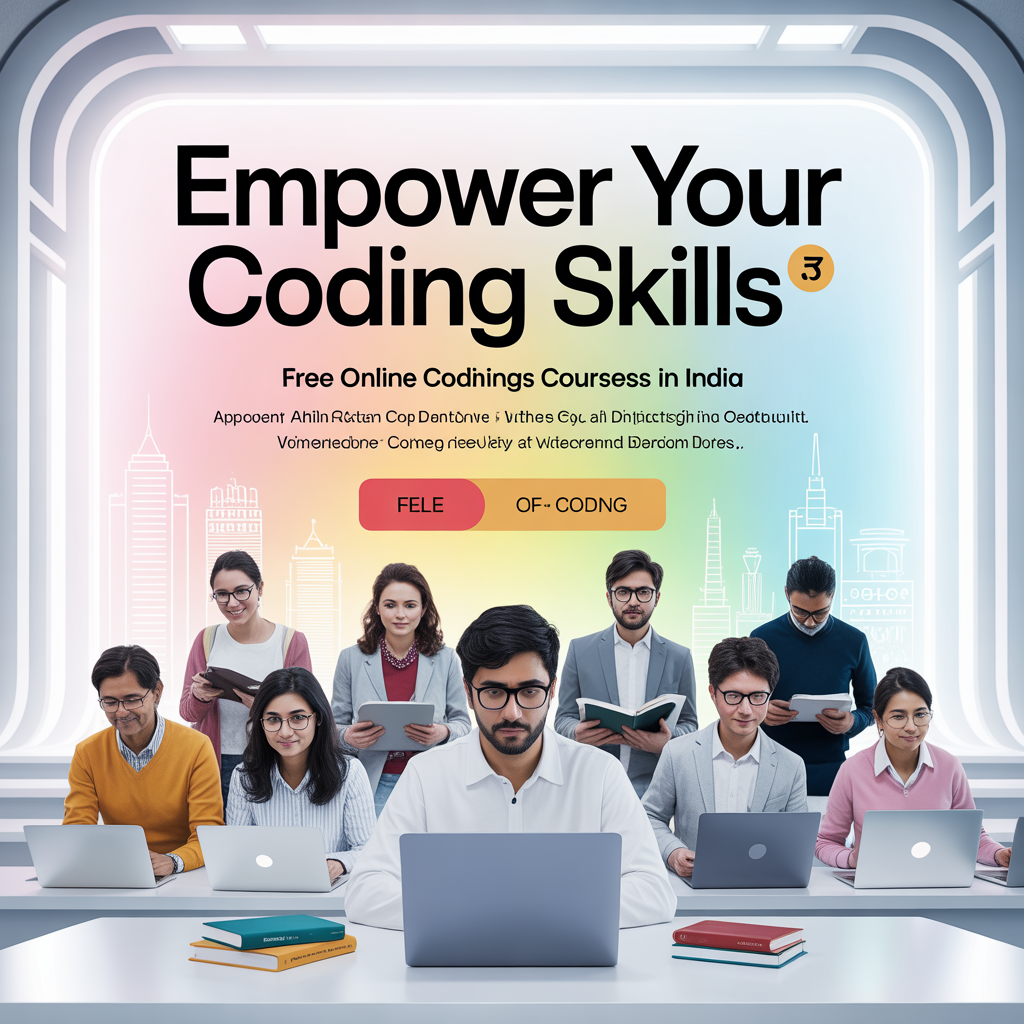
The demand for coding skills in India is skyrocketing, from startups to established tech giants. Yet, many aspiring developers struggle to find affordable resources. Free online coding courses provide an accessible gateway for beginners to learn programming, build projects, and enhance career prospects without financial barriers.
Whether you’re a student, a working professional, or a tech hobbyist, free coding courses can help you gain practical skills in languages like Python, Java, and web development.
What is Free Online Coding Courses?
Free online coding courses are structured digital programs that teach programming languages, software development, and computer science concepts at no cost. They often include interactive lessons, video tutorials, exercises, and projects to help learners apply their skills practically.
These courses are accessible via web platforms and mobile apps, enabling learners to study at their own pace from anywhere in India.
Why Free Coding Courses Matter / Who Benefits
Learning coding opens doors to high-paying tech jobs and entrepreneurial opportunities. Free online coding courses benefit:
- Beginner developers: Start programming without financial investment.
- Students: Supplement academic knowledge and gain practical experience.
- Working professionals: Upskill for career transitions or promotions.
- Tech enthusiasts: Explore software development, AI, and data analytics.
- CTOs and recruiters: Identify emerging talent and encourage team training.
How It Works / Key Features
Interactive Learning Platforms
Most free coding courses offer hands-on exercises and projects to reinforce concepts. Platforms like Codecademy and FreeCodeCamp use interactive code editors to allow real-time practice.
Structured Curriculum
Courses follow a step-by-step curriculum covering fundamentals first (variables, loops, functions), then advanced topics (web development frameworks, machine learning, database management).
Video Tutorials & Resources
Video lessons simplify complex concepts. Courses often include downloadable resources, quizzes, and coding challenges to solidify understanding.
Community Support
Learners can access discussion forums, mentorship programs, and coding communities for doubt resolution, networking, and collaboration.
Practical Use Cases & Examples
1. Web Development
- Learn HTML, CSS, JavaScript, and frameworks like React.
- Build personal portfolios, blogs, or e-commerce sites.
2. Data Science & Analytics
- Master Python, R, SQL, and libraries like Pandas or NumPy.
- Analyze datasets, generate visualizations, and create predictive models.
3. Mobile App Development
- Explore Java, Kotlin, or Flutter for Android/iOS apps.
- Develop real-world apps like task managers or budget trackers.
4. AI & Machine Learning
- Learn Python, TensorFlow, or PyTorch.
- Build projects like chatbots, recommendation engines, or image recognition tools.
5. Cybersecurity
- Learn ethical hacking basics, penetration testing, and network security.
- Implement security solutions for personal projects or workplaces.
Comparison / Alternatives
Here’s a comparison of some popular free coding platforms in India (as of Dec 2025):
| Platform | Language Focus | Course Type | Features | Ideal For |
|---|---|---|---|---|
| FreeCodeCamp | Web, JS, Python | Self-paced | Projects, certifications | Beginners & intermediates |
| Codecademy Free | Python, JS, HTML | Interactive | Code editor, quizzes | Beginner developers |
| Coursera (Audit) | Python, Java, AI | University-style | Video lectures, assignments | Students & career switchers |
| edX (Audit) | CS Fundamentals | University-style | Certificates, exercises | Tech enthusiasts & learners |
| Khan Academy | JS, SQL, Web Dev | Video + exercises | Interactive exercises, projects | Students & beginners |
| NPTEL / SWAYAM | C, Python, Java | College-level | Recorded lectures, assignments | Indian students & professionals |
Benefits & Limitations
Pros:
- 100% free, no subscription fees.
- Self-paced, flexible for busy schedules.
- Hands-on learning with projects.
- Access to global communities and forums.
- Boost employability and coding confidence.
Cons:
- Lack of personalized mentorship (except community support).
- Certificates may require paid verification.
- May require high self-discipline to complete.
- Advanced topics may be limited compared to paid courses.
Implementation / Adoption Checklist
- Identify your goal: Web dev, AI, mobile apps, or general programming.
- Select a platform: FreeCodeCamp, Codecademy, Coursera audit, SWAYAM, or NPTEL.
- Set a learning schedule: Dedicate 1–2 hours daily.
- Start small: Begin with beginner-friendly modules.
- Apply learning through projects: Build mini-projects to strengthen understanding.
- Join communities: Participate in coding forums or GitHub collaborations.
- Track progress & revise: Use quizzes, assignments, and practice tests.
- Expand skillset: Gradually move to advanced topics and other languages.
Frequently Asked Questions(FAQs)
Q1: Are free online coding courses in India recognized by employers?
Yes, while free courses may not always provide formal degrees, employers value practical skills and project experience gained from these programs. Certifications (paid or audit verification) can enhance credibility.
Q2: Which programming language should beginners learn first?
Python is widely recommended due to its simple syntax, versatility in AI, web development, and data analysis, making it ideal for beginners.
Q3: Can I get a job after completing free coding courses?
Absolutely. Building projects, contributing to open-source, and demonstrating practical coding skills can lead to internships, freelance work, or entry-level positions.
Q4: How much time is needed to learn coding online for free?
With consistent daily practice, beginners can grasp basics in 2–3 months, and intermediate proficiency in 6–9 months. Progress depends on dedication and practice.
Q5: Are these courses suitable for students without computer science background?
Yes. Free courses are beginner-friendly and designed for learners with no prior experience, gradually introducing core programming concepts.
Conclusion
Free online coding courses in India provide a cost-effective, accessible way to acquire in-demand programming skills. By selecting the right platform and committing to structured learning, beginners can build strong foundations, complete real-world projects, and prepare for tech careers.
Recommendation: Start with Python or web development courses, gradually explore advanced topics, and actively participate in coding communities. As technology evolves, continuous learning through free online courses will remain a powerful tool for career growth.
LSI / Semantic Keywords
- Learn programming online India
- Free coding tutorials
- Python courses free
- Web development for beginners
- Online programming classes
- Coding projects India
- Software development courses
Read more: Interview Prep: Top Coding Questions 2025
