
Introduction
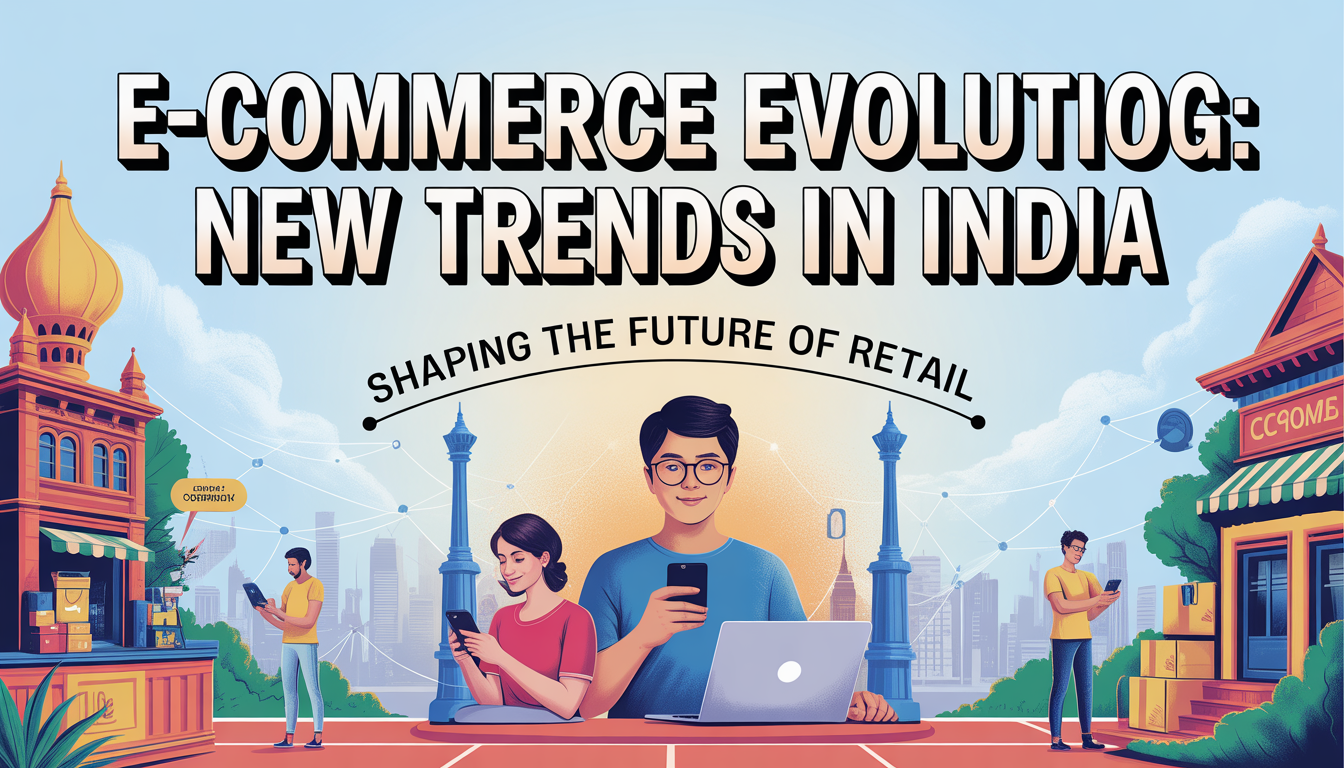
The e-commerce landscape in India is undergoing a rapid transformation. With rising internet penetration, smartphone adoption, and digital payment solutions, both businesses and consumers are experiencing a revolution in how products are bought and sold. Understanding these emerging trends is essential for tech buyers, startups, and CTOs aiming to stay competitive.
As consumer behavior evolves, businesses must adopt innovative solutions to meet expectations for convenience, personalization, and seamless online experiences. This article explores the key trends, practical examples, and strategies driving the e-commerce evolution in India.
What is E-Commerce Evolution in India?
E-commerce evolution in India refers to the ongoing transformation of online buying and selling platforms, powered by technological innovations, changing consumer preferences, and regulatory frameworks. This evolution is marked by the adoption of AI, mobile commerce, and hyper-personalized experiences to cater to India’s dynamic digital economy.
Why It Matters / Who Benefits
E-commerce evolution impacts multiple stakeholders:
- Consumers: Enjoy faster delivery, personalized recommendations, and wider product selection.
- Businesses & Startups: Can leverage digital tools for targeted marketing, logistics optimization, and increased sales.
- Developers & Tech Innovators: Access opportunities to create AI-driven solutions, apps, and platforms.
- CTOs & Product Managers: Gain insights to enhance digital strategies and infrastructure scalability.
How It Works / Key Features
1. Mobile-First Platforms
Mobile commerce dominates India’s e-commerce growth. Platforms optimized for smartphones enhance user experience, reduce friction in checkout, and support digital wallets like Paytm, UPI, and Google Pay.
2. AI & Personalization
AI-powered recommendation engines analyze user behavior to deliver tailored suggestions. Features include:
- Personalized product suggestions
- Chatbots for instant support
- Predictive analytics for inventory management
3. Social Commerce Integration
Platforms like Instagram Shopping, WhatsApp Business, and Facebook Marketplace allow businesses to sell directly through social apps, boosting engagement and conversion.
4. Hyperlocal Delivery Networks
E-commerce platforms now partner with local couriers to ensure same-day or next-day deliveries in major cities. AI optimizes delivery routes and reduces operational costs.
5. Voice & Visual Search
Voice assistants (Google Assistant, Alexa) and visual search tools enable consumers to shop using images or voice commands, simplifying the discovery process.
6. Secure Payment Gateways
Digital wallets, UPI, and tokenized payments enhance transaction security, reduce friction, and build trust with consumers.
Practical Use Cases & Examples
- Fashion & Apparel: Myntra and Ajio use AI recommendations to suggest personalized outfits based on browsing history and regional trends.
- Grocery Delivery: BigBasket and Zepto leverage hyperlocal delivery networks for same-day grocery deliveries.
- Electronics Retail: Amazon India uses predictive analytics to manage stock and offer targeted promotions during festive seasons.
- Social Commerce: Small businesses sell handmade products via Instagram Shops and WhatsApp catalogs, reaching Tier-2 and Tier-3 cities.
Comparison / Alternatives
| Feature | Traditional E-Commerce | Emerging Trends in 2025 | Advantage |
|---|---|---|---|
| Shopping Medium | Web/Desktop | Mobile-first, Social Commerce | Higher engagement, convenience |
| Personalization | Minimal | AI-driven Recommendations | Better conversions and user retention |
| Delivery Speed | 3–7 days | Same-day / Next-day via Hyperlocal | Faster customer satisfaction |
| Payment Methods | Credit/Debit cards | UPI, Wallets, Tokenized Payments | Secure, frictionless transactions |
| Discovery Tools | Search-based | Voice & Visual Search | Easier product discovery |
Benefits & Limitations
Pros:
- Increased accessibility for consumers in Tier-2/3 cities
- Enhanced personalization boosts sales and engagement
- Faster deliveries and better customer experience
- Advanced analytics enable smarter inventory and marketing decisions
Cons / Limitations:
- Heavy dependency on internet and smartphone penetration
- Security risks with digital payments if not managed properly
- Small businesses may struggle to adopt high-end AI solutions
- Regulatory compliance and taxation can be complex for new entrants
Implementation / Buying / Adoption Checklist
- Assess Platform Readiness: Ensure mobile optimization and compatibility with social commerce channels.
- Integrate AI Tools: Implement recommendation engines, chatbots, and analytics dashboards.
- Leverage Local Logistics: Partner with hyperlocal delivery services to reduce shipping times.
- Secure Payment Systems: Adopt UPI, wallets, and secure tokenization protocols.
- Train Teams: Upskill staff to manage AI systems, customer support bots, and analytics platforms.
- Monitor Compliance: Stay updated with e-commerce regulations, GST rules, and consumer protection laws.
Frequently Asked Questions(FAQs)
Q1: What are the latest trends in Indian e-commerce?
The top trends include AI-driven personalization, mobile-first design, social commerce, hyperlocal deliveries, and advanced payment solutions like UPI and digital wallets.
Q2: How can small businesses benefit from e-commerce evolution?
Small businesses can expand reach via social commerce, implement AI tools for customer insights, and offer faster deliveries through local courier partnerships.
Q3: Which technologies are shaping the future of e-commerce in India?
Key technologies include AI and machine learning, mobile applications, voice and visual search, secure digital payment gateways, and hyperlocal logistics networks.
Q4: Is mobile commerce more effective than traditional web platforms in India?
Yes. Mobile commerce drives higher engagement and convenience, as smartphones are the primary internet device for most Indian users.
Q5: What challenges should businesses consider when adopting these trends?
Challenges include cybersecurity risks, technological investment costs, team training requirements, and compliance with evolving e-commerce regulations.
Conclusion
The e-commerce evolution in India is transforming the way consumers shop and how businesses operate. By adopting mobile-first platforms, AI personalization, hyperlocal delivery, and secure payments, businesses can gain a competitive advantage.
Recommendation: Businesses should prioritize digital tools that enhance customer experience while ensuring security and regulatory compliance.
Future Outlook: As of 2025, AI, social commerce, and hyperlocal strategies will dominate the Indian e-commerce landscape, creating opportunities for both startups and established players.
Read more:
