
Introduction
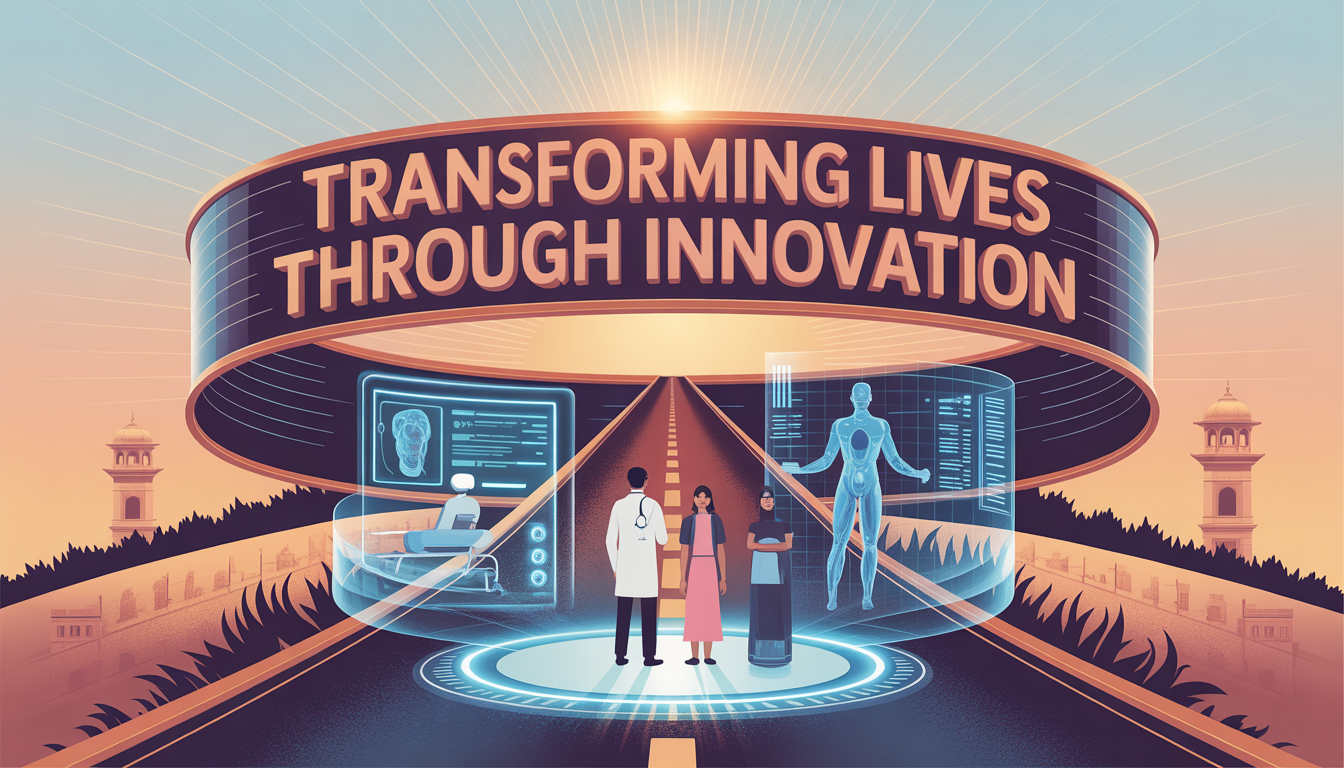
India’s healthcare sector is undergoing a rapid transformation, driven by advanced technologies. Among them, artificial intelligence is proving pivotal in improving diagnostics, optimizing hospital workflows, and enhancing patient care. With a growing population and rising healthcare demands, AI offers scalable solutions—but what does it mean for hospitals, doctors, and patients in India?
What is AI in Healthcare?
AI in healthcare refers to the use of advanced algorithms, machine learning, and data analytics to assist in medical decision-making, automate administrative tasks, and predict health outcomes. By analyzing vast datasets, AI can identify patterns humans might miss, improving efficiency and accuracy in clinical and operational workflows.
Why it Matters / Who Benefits
AI adoption in Indian healthcare benefits multiple stakeholders:
- Patients: Faster, more accurate diagnosis, personalized treatment plans, and remote healthcare access.
- Doctors & Clinicians: AI-assisted diagnostics, predictive analytics, and decision support tools.
- Hospitals & Clinics: Optimized resource allocation, workflow automation, and reduced operational costs.
- Pharmaceutical Companies: Accelerated drug discovery and clinical trial efficiency.
- Government & Public Health Bodies: Population health monitoring and epidemic prediction.
How it Works / Key Features
AI Diagnostics
AI models analyze medical images, lab reports, and patient history to detect diseases like cancer, diabetic retinopathy, or cardiovascular conditions with high accuracy.
Predictive Analytics
Machine learning algorithms predict patient risk profiles, hospital admissions, or disease outbreaks, enabling proactive interventions.
Virtual Health Assistants
AI chatbots and voice assistants provide instant support for patient queries, appointment scheduling, and remote monitoring.
Workflow Automation
Administrative tasks, including billing, inventory management, and patient record management, are streamlined to reduce human error and save time.
Personalized Treatment Plans
AI analyzes patient data to recommend treatment protocols tailored to individual needs, enhancing efficacy and minimizing side effects.
Practical Use Cases & Examples
- Diagnostics: Startups in India like SigTuple use AI to automate blood tests, reducing human error and reporting times.
- Telemedicine: AI-powered triage systems help rural patients receive preliminary consultations and referrals.
- Predictive Hospital Management: AI predicts peak admission periods, optimizing staffing and bed allocation.
- Drug Discovery: AI platforms accelerate identification of potential compounds for diseases like tuberculosis and cancer.
- Chronic Disease Management: Wearable devices collect patient data, which AI analyzes to prevent complications in diabetes or heart disease.
Comparison / Alternatives
| Feature | AI-Powered Solutions | Traditional Methods |
|---|---|---|
| Diagnostic Accuracy | High (up to 95–98% in imaging) | Moderate, depends on clinician |
| Speed of Results | Minutes to hours | Hours to days |
| Cost Efficiency | Reduces operational costs over time | Higher long-term labor costs |
| Patient Monitoring | Continuous & remote | Periodic & on-site |
| Data Analysis | Handles large datasets | Limited by human capacity |
Benefits & Limitations
Pros
- Improved diagnostic accuracy and early disease detection.
- Efficient hospital management and cost reduction.
- Scalable solutions for remote and underserved areas.
- Supports personalized medicine and drug discovery.
Cons
- High initial implementation costs.
- Requires reliable digital infrastructure and data security.
- Limited trained personnel for AI management.
- Regulatory approvals and compliance challenges.
Implementation / Buying / Adoption Checklist
- Assess Needs: Identify pain points in diagnostics, patient care, or operations.
- Choose Suitable Solutions: Evaluate AI tools for imaging, predictive analytics, or workflow automation.
- Data Management: Ensure high-quality, structured, and compliant datasets.
- Staff Training: Upskill doctors, technicians, and administrative staff.
- Regulatory Compliance: Align with Indian healthcare regulations (CDSCO, National Digital Health Mission).
- Pilot & Scale: Start with small pilot programs, analyze results, then expand adoption.
- Cybersecurity: Implement robust protocols for patient data protection.
Frequently Asked Questions(FAQs)
Q1: How is AI improving healthcare in rural India?
AI-powered telemedicine, virtual assistants, and predictive diagnostics help rural patients access timely care, reducing travel and wait times significantly.
Q2: Can AI replace doctors?
No, AI assists clinicians by providing data-driven insights and automation, but human judgment remains essential for treatment and patient interaction.
Q3: What are the costs of implementing AI in hospitals?
Costs vary by solution type but include software licensing, data infrastructure, training, and compliance. ROI is usually achieved through efficiency gains and better patient outcomes.
Q4: Is patient data safe with AI systems?
Reputable AI solutions implement encryption, anonymization, and secure cloud storage to comply with data privacy standards.
Q5: Which Indian startups are leading in healthcare AI?
Startups like SigTuple, Niramai, and HealthifyMe are actively deploying AI for diagnostics, preventive care, and wellness tracking.
Conclusion
AI is set to revolutionize healthcare in India by improving diagnostics, optimizing hospital operations, and expanding access to care. While adoption challenges exist, strategic implementation can yield significant benefits for patients and providers alike. Future Outlook: By 2030, AI-driven healthcare in India is likely to be more integrated, patient-centric, and predictive, improving outcomes across the nation.
Read more: Remote Work in India: Tech & Trends
