
Introduction
India is at a crossroads in its technology journey. While digital adoption accelerates, the balance between privacy and surveillance remains a critical concern. From government monitoring to corporate data collection, understanding how your information is handled is no longer optional—it’s essential. This article unpacks the technology, regulations, and practical steps for tech users and developers in India.
What is Privacy vs Surveillance in India?
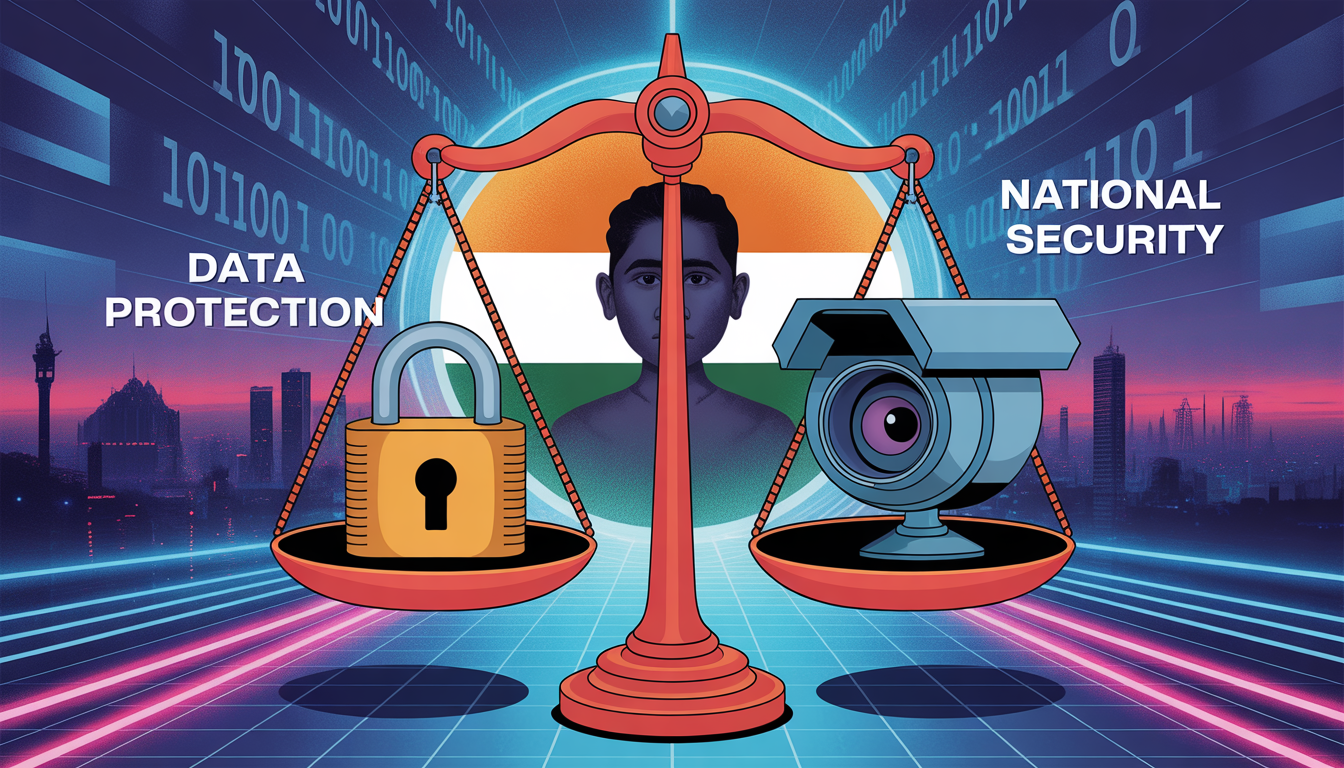
Privacy vs Surveillance refers to the tension between protecting personal data and the collection or monitoring of digital activities. Privacy ensures individuals control their personal information, whereas surveillance often involves systematic tracking for security, governance, or commercial purposes. In India, this debate is intensified by expanding digital services and emerging data laws.
Why It Matters / Who Benefits
Understanding Privacy vs Surveillance in India is vital for several groups:
- Tech buyers & consumers: Protects personal data while using apps, devices, and online services.
- Beginner developers: Ensures responsible handling of user data in apps and software.
- CTOs & tech leaders: Guides corporate compliance with Indian data regulations.
- Policy makers & researchers: Supports informed decisions about digital security and ethics.
- Tech enthusiasts: Helps stay updated on the latest trends in privacy, encryption, and monitoring tools.
How It Works / Key Features / Technical Explanation
Data Collection & Surveillance Methods
Surveillance in India often occurs through:
- Network monitoring: Tracking online activity through ISPs and mobile networks.
- Government platforms: Systems like Aadhaar and social media oversight for security.
- Corporate tracking: Apps and websites collecting browsing behavior, location, and preferences.
Privacy Mechanisms
To counter surveillance, privacy-focused tech includes:
- Encryption: End-to-end encryption in messaging apps like Signal or WhatsApp.
- VPNs & Proxies: Mask location and browsing data.
- Privacy-first apps: Browsers like Brave or DuckDuckGo minimize data footprints.
- Data minimization practices: Only collecting essential user data.
Indian Regulations
- Personal Data Protection Bill (PDPB) (pending as of Dec 2025): Proposes stricter user consent and processing rules.
- Information Technology Act, 2000: Governs electronic records and data access.
- CERT-In Guidelines: Cybersecurity mandates for businesses handling sensitive data.
Practical Use Cases & Examples
- Digital Payments: Apps like Paytm and Google Pay use encryption, but transactions are monitored for fraud prevention.
- Workplace Monitoring: Companies using software like Zoho or Microsoft Teams can track activity for productivity.
- Government Initiatives: Aadhaar enables e-governance but raises concerns on surveillance and data misuse.
- Social Media: Platforms collect behavior data to personalize ads, prompting users to adopt privacy controls.
Comparison / Alternatives
| Feature | Privacy-Focused Approach | Surveillance-Driven Approach |
|---|---|---|
| Data Control | User owns and encrypts data | Centralized storage, monitored |
| Transparency | Full disclosure of data use | Limited transparency |
| Security | End-to-end encryption | Variable, sometimes minimal |
| Compliance | Voluntary adherence to standards | Mandated for legal/security reasons |
| User Experience | Slight friction for privacy | Seamless but monitored experience |
Benefits & Limitations
Pros of Privacy
- Protects personal and sensitive data
- Reduces risk of identity theft or hacking
- Builds user trust and brand reputation
- Enables compliance with emerging regulations
Cons of Privacy
- May slow down certain services or features
- Can require additional technical expertise
- Some privacy tools may conflict with government regulations
Pros of Surveillance
- Enhances security and fraud detection
- Supports law enforcement and governance
- Facilitates targeted services and insights
Cons of Surveillance
- Risks misuse of personal data
- Reduces user autonomy and freedom
- May face ethical and legal challenges
Implementation / Adoption Checklist
For individuals:
- Use encrypted messaging apps.
- Enable two-factor authentication.
- Regularly update devices and apps.
- Use VPNs when accessing sensitive information.
For developers & CTOs:
- Adopt privacy-by-design in apps.
- Encrypt sensitive databases and traffic.
- Conduct periodic data audits and compliance checks.
- Provide clear user consent forms.
- Monitor regulatory updates for PDPB and IT Act compliance.
Frequently Asked Questions(FAQs)
Q1: Is surveillance in India legal?
Yes, but it is regulated under the IT Act and CERT-In guidelines. Legal surveillance requires government authorization or corporate compliance with data laws.
Q2: How can users protect their data online?
Users can leverage end-to-end encryption, privacy-focused apps, VPNs, and strong passwords to minimize tracking and data breaches.
Q3: Will the Personal Data Protection Bill change surveillance practices?
Yes, PDPB aims to provide stricter consent rules, transparency, and limits on data retention, impacting both government and corporate monitoring.
Q4: What are privacy-first alternatives to mainstream apps?
Examples include Signal (messaging), Brave (browser), ProtonMail (email), and DuckDuckGo (search), which limit data collection.
Q5: How do developers implement privacy-by-design?
By minimizing data collection, encrypting sensitive info, using secure APIs, and providing clear consent and opt-out options.
Conclusion
Navigating Privacy vs Surveillance in India requires a balance of technology, law, and personal responsibility. Individuals should adopt privacy measures, while developers and businesses must integrate compliance and transparency. Looking ahead, India’s growing digital ecosystem will likely see stricter privacy enforcement, making proactive measures crucial for both users and tech professionals.
Read more: VR and AR: Are They Making an Impact?
